Top Valve Parts for Global Buyers What to Consider?
In the Valve Parts industry, understanding the essentials is paramount for global buyers. Renowned expert Dr. John Smith, a leading figure at ValveTech Solutions, emphasizes, "Choosing the right valve parts is crucial for system efficiency." His insight highlights the complexity behind selecting components that meet various specifications.
Valve parts are integral to numerous industries, driving performance and reliability. Buyers must consider factors such as material quality, compatibility, and manufacturer reputation. For instance, valves made from corrosion-resistant materials might be more suited for harsh environments, ensuring longevity.
Yet, even seasoned buyers can face challenges. Deciding on valve types can be daunting. Misjudgments often arise from inadequate research or supplier reliability. Therefore, it's imperative to engage with reputable sources and gather detailed specifications. In this dynamic market, informed decision-making plays a significant role in securing the best valve parts for specific applications.
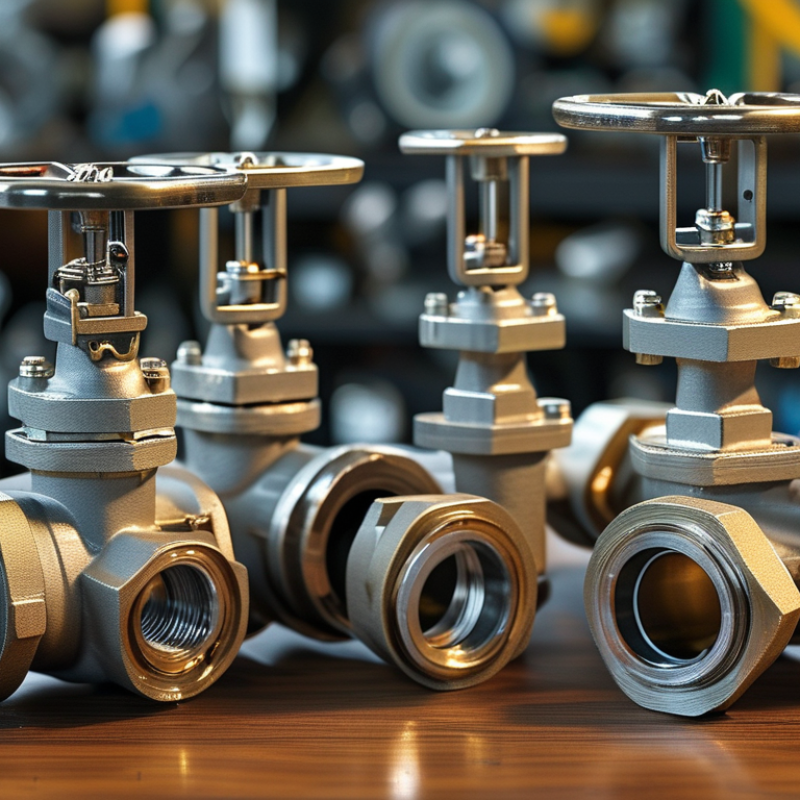
Key Factors to Evaluate When Sourcing Valve Parts Globally
When sourcing valve parts globally, several key factors must be considered. Quality stands at the forefront. According to a report by MarketsandMarkets, the global valve market is projected to reach $85.2 billion by 2027, largely driven by needs in oil and gas. This growth underscores the importance of ensuring that valve parts meet international quality standards. Poor-quality components can lead to failures, costly downtime, and safety hazards.
Another critical factor is supplier reliability. Data from Baker Hughes indicates that 25% of valve failures are attributed to supplier defects. Evaluating the track record of potential suppliers is essential. Look for those with proven experience and excellent customer feedback. Local certifications and compliance with industry norms can provide additional assurance of reliability.
Lastly, pricing cannot be overlooked. While cost savings are important, the lowest price does not always equate to the best value. A balance must be struck between cost and quality. Even in a competitive market, opting for cheaper parts may lead to higher long-term expenses due to inefficiencies or replacements. Understanding these factors can significantly impact the success of sourcing valve parts on a global scale.
Top Valve Parts for Global Buyers What to Consider? - Key Factors to Evaluate When Sourcing Valve Parts Globally
| Key Factor | Description | Importance Level |
| Material Quality | Assess the type of materials used in valve parts to ensure durability and performance. | High |
| Cost | Evaluate the total cost including shipping, tariffs, and taxes. | Medium |
| Supplier Reliability | Check the supplier's track record for timely delivery and product quality. | High |
| Compliance Standards | Ensure parts meet international and local compliance standards. | High |
| Customization Options | Assess whether the supplier offers customization to meet specific needs. | Medium |
| Lead Time | Inquire about the lead time for orders from different suppliers. | Medium |
| After-Sales Support | Evaluate the support provided by the supplier post-purchase for maintenance and issues. | High |
Understanding Different Types of Valve Parts and Their Applications
When choosing valve parts, it’s vital to understand their types and applications. Ball, gate, and globe valves each serve different functions. For example, ball valves provide quick on-off control and are ideal for high-pressure systems. In contrast, gate valves are perfect for applications requiring minimal pressure drop, especially when fully open.
Material selection is also crucial. Common materials include brass, stainless steel, and PVC. Each material has specific durability and corrosion resistance properties. Understanding the environment where the valve will operate is important. What conditions will they face? High temperatures? Exposure to chemicals?
Installation and maintenance are oft-overlooked aspects. Some components require special tools or conditions for installation. Regular inspection is necessary to avoid issues. Failure to address maintenance can lead to leaks or failures, impacting overall system performance. Keep in mind that even minor choices can lead to significant consequences.
Quality Standards and Certifications for Valve Parts in International Trade
When purchasing valve parts for global markets, understanding quality standards is crucial. Various certifications ensure that components meet necessary safety and reliability benchmarks. International standards like ISO and ASTM provide specific guidelines for manufacturing processes and material properties. Buyers must verify if the valve parts adhere to these norms.
Documentation is essential when trading internationally. It showcases compliance with local and global regulations. Certifications such as CE and API enhance credibility. They indicate that the products have undergone rigorous testing. This can build trust between buyers and suppliers. However, it is vital to check the validity of these certifications. Some suppliers may present outdated or misleading documents.
Moreover, quality control processes in the manufacturing phase are important. Look for transparency in testing results and production methods. Not all suppliers maintain high standards consistently. Buyers should conduct their due diligence and consider visiting facilities. This hands-on approach can uncover insights beyond official certifications. Ultimately, a combination of credentials and personal evaluation leads to well-informed purchasing decisions.
Sourcing Strategies: How to Find Reliable Suppliers Worldwide
Finding reliable suppliers for valve parts is crucial for global buyers. A well-structured sourcing strategy can make the difference. Begin with thorough research. Use online platforms to find potential suppliers. Vet their credentials, and check for industry certifications. This ensures you're dealing with reputable manufacturers.
Tips: Leverage social media to connect with industry groups. These forums often share valuable recommendations and experiences that can guide your choices. Seek out manufacturers who have a strong presence in the field. Look for positive reviews and feedback from past customers.
Another key aspect is visiting suppliers if possible. In-person audits can reveal a lot about a company’s operations. You may discover inconsistencies in their production processes. Don't rush this step, as it can provide deeper insights into their reliability. Maintain open lines of communication. Discuss your specific needs and gauge their responsiveness. How they handle inquiries can signal their customer service standards.
Cost Considerations and Price Negotiation Tips for Valve Parts
When considering valve parts, cost is a crucial factor. Knowing the price range helps set expectations and informs negotiations. Researching market prices can provide insights into what others are paying. This knowledge is essential for making informed decisions.
Negotiating prices can be challenging. Buyers should feel comfortable discussing costs openly. It’s helpful to approach suppliers with a clear budget in mind. Many suppliers appreciate transparent communication. However, don’t hesitate to discuss alternatives if costs are too high. Sometimes, small adjustments to specifications can lead to better pricing.
Understanding quality is just as important as cost. Cheaper options could mean compromised safety. Evaluate the performance of each part. Balancing price and quality ensures that you make a durable choice. This will help reduce long-term expenses. Be aware, though, that getting the best deal often means being patient and exploring multiple options.
Cost Considerations for Valve Parts