What is a Water Pump Motor and How Does It Work?
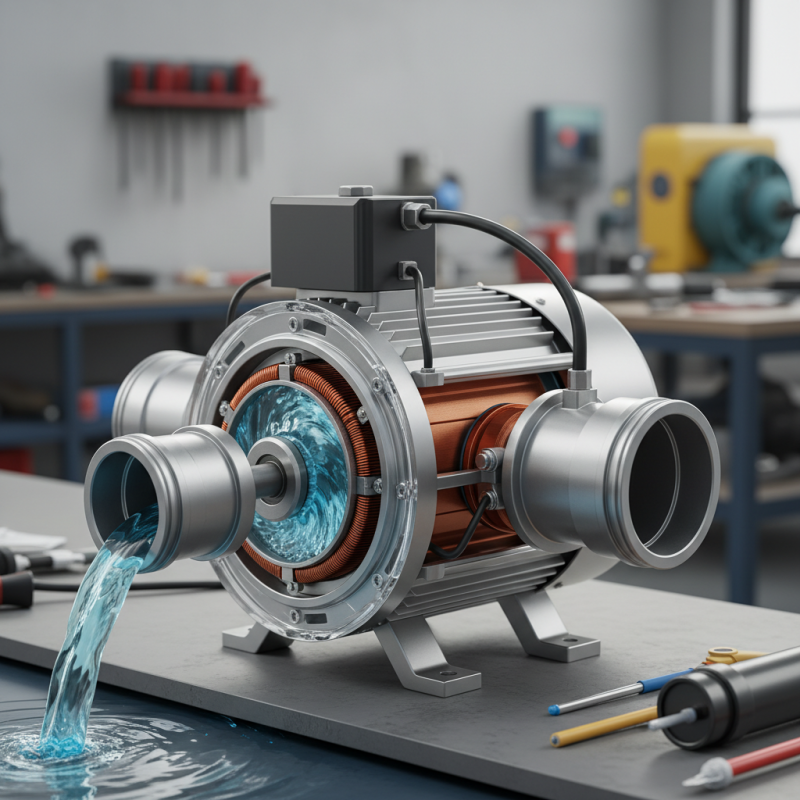
A water pump motor plays a critical role in various applications. It is responsible for converting electrical energy into mechanical energy. This process enables the movement of water from one location to another.
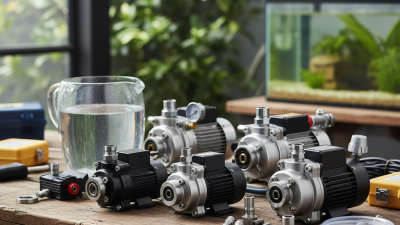
When we think of a water pump motor, we envision its use in irrigation systems, aquariums, and swimming pools. Each setting requires precise function and reliability. Often, the efficiency of a water pump motor can impact overall system performance. It's important to consider factors such as motor size, power, and durability.
Yet, understanding how a water pump motor operates isn’t always straightforward. Many people overlook maintenance needs. Regular checks can prevent larger issues down the line. A neglected motor may underperform or even fail. Reflecting on these aspects can ensure smoother operations.
What is a Water Pump Motor? An Overview of Its Purpose and Functionality
A water pump motor is essential in various applications. It powers the pump, enabling the movement of water from one place to another. This motor typically converts electrical energy into mechanical energy, driving the pump mechanism. In essence, it helps ensure the supply of water for irrigation, plumbing, and even industrial processes.
There are different types of water pump motors. Some are designed for small-scale tasks, while others cater to larger operations. These motors can be simple, often with few moving parts. Yet, they require regular maintenance to function effectively. Neglecting upkeep can lead to inefficiencies. Over time, this may result in higher energy costs. Recognizing early signs of wear is crucial.
The functionality of a water pump motor is straightforward, but problems may arise. A motor might get overheated, affecting water flow. Additionally, if the motor fails to start, it can disrupt daily activities. Users should be mindful of such issues. Awareness allows for proactive solutions.
Key Components of a Water Pump Motor: An In-Depth Look
A water pump motor is a crucial device for moving water efficiently. It consists of several key components that work together seamlessly. The motor itself is often an electric or gasoline engine. It provides the necessary power to propel water through the system.
Another vital part is the impeller. This component spins rapidly, creating suction. Water enters through the inlet as the impeller spins. The carefully designed blades push the water outward. This motion increases pressure and directs water to its destination.
Seals and bearings play a significant role in maintaining efficiency. They help prevent leaks and minimize friction. A lack of proper seals may lead to wear and tear. This can decrease overall performance. Understanding these components can help users troubleshoot common issues. It also emphasizes the importance of regular maintenance to ensure everything functions properly.
Understanding the Working Mechanism of Water Pump Motors Explained
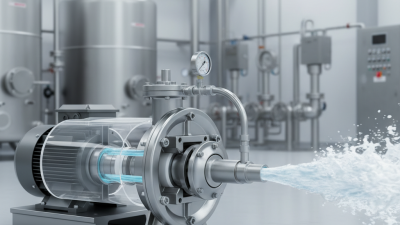
A water pump motor is essential for moving fluids. It converts electrical energy into mechanical energy. This mechanism allows pumps to draw water from wells or reservoirs. Understanding how this motor works helps in better maintenance and efficiency.
The working principle involves several components. The motor contains a rotor that spins. This spinning creates centrifugal force, pulling water into the pump. The impeller then pushes the water through pipes. The design and material of these parts matter. Quality impacts performance and longevity.
Tip: Regularly check for debris in the pump. Blockages can strain the motor and reduce efficiency.
Another consideration is energy consumption. Water pump motors vary in efficiency. Choosing an energy-efficient model can save money long-term. You might find, though, that not all high-efficiency models fit your needs.
Tip: Look for signs of wear on the motor. Overheating or unusual noises can indicate problems. Addressing these issues promptly can prevent costly repairs.
Types of Water Pump Motors: AC vs. DC and Their Applications
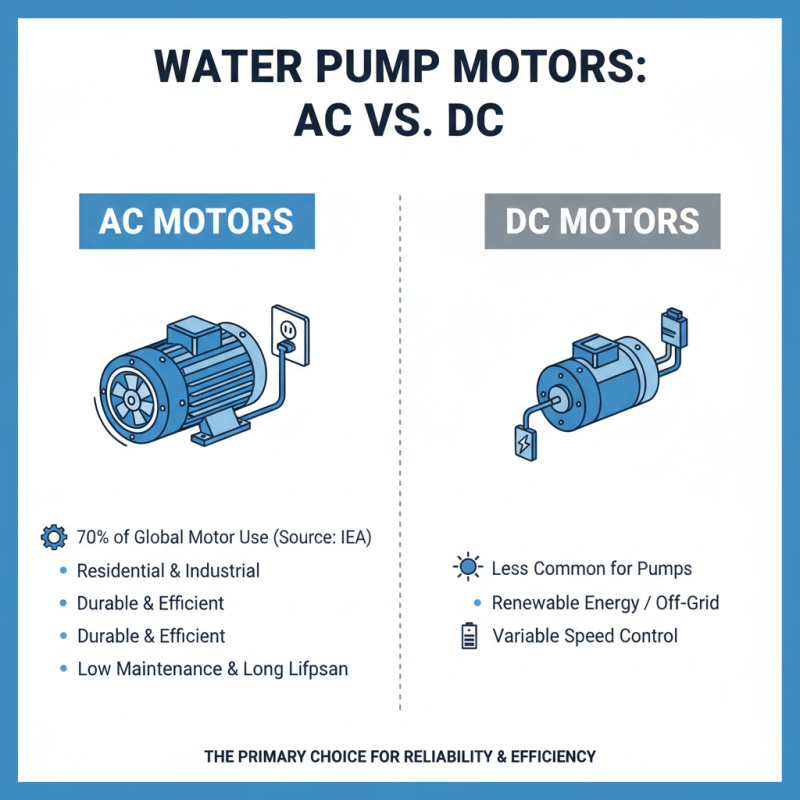
When discussing water pump motors, the primary distinction lies between AC and DC motors. AC motors are widely used in various applications. They are robust and efficient, often found in residential and industrial settings. According to a report from the International Energy Agency, AC motors account for about 70% of global motor use. Their longevity and lower maintenance needs make them popular choices.
On the other hand, DC motors provide benefits in applications requiring variable speed control. These motors are essential in smaller systems, like aquariums or garden fountains. They can respond quickly to changing conditions. A study by the Electric Power Research Institute noted that DC motors are increasingly used in renewable energy applications. They provide flexibility and can work with solar panels or wind energy systems.
However, both motor types have their drawbacks. AC motors can be less efficient at low speeds. DC motors may require more maintenance due to brush wear. Users should assess their specific needs to choose the right motor. Understanding these options can lead to better performance and energy savings.
Efficiency Ratings and Specifications of Water Pump Motors in the Industry
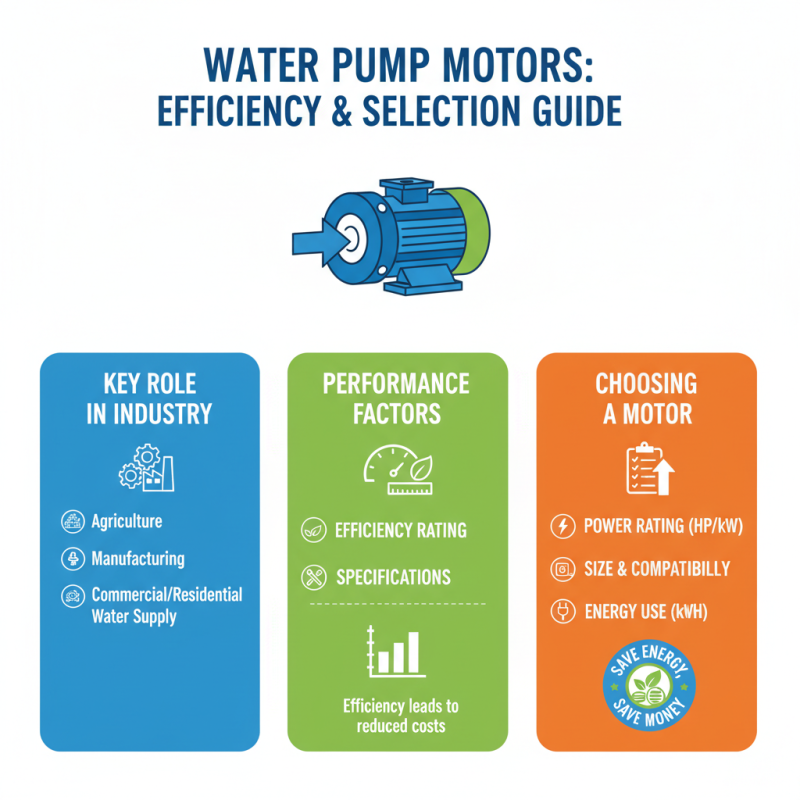
Water pump motors play a crucial role in various industries. Their efficiency ratings and specifications significantly impact performance. When choosing a motor, it's essential to consider its power rating, size, and energy use. A high efficiency motor can often lead to reduced energy costs over time.
While many motors boast impressive efficiency ratings, it’s important to look closely at these numbers. Testing conditions can sometimes exaggerate efficiency. Not all ratings reflect real-world performance. Moreover, the application of the motor can influence its effectiveness. For instance, a motor suited for one task may underperform in another environment.
Understanding the specifications is key. Look at voltage, horsepower, and RPM. Each factor can change how a motor interacts with a water pump. Balancing these aspects can result in a more effective system. However, be wary of overcomplicating your choice. Simple is often better. Strive for a motor that meets your immediate needs without unnecessary features.