Why Do Water Pumps Fail and How to Prevent It?

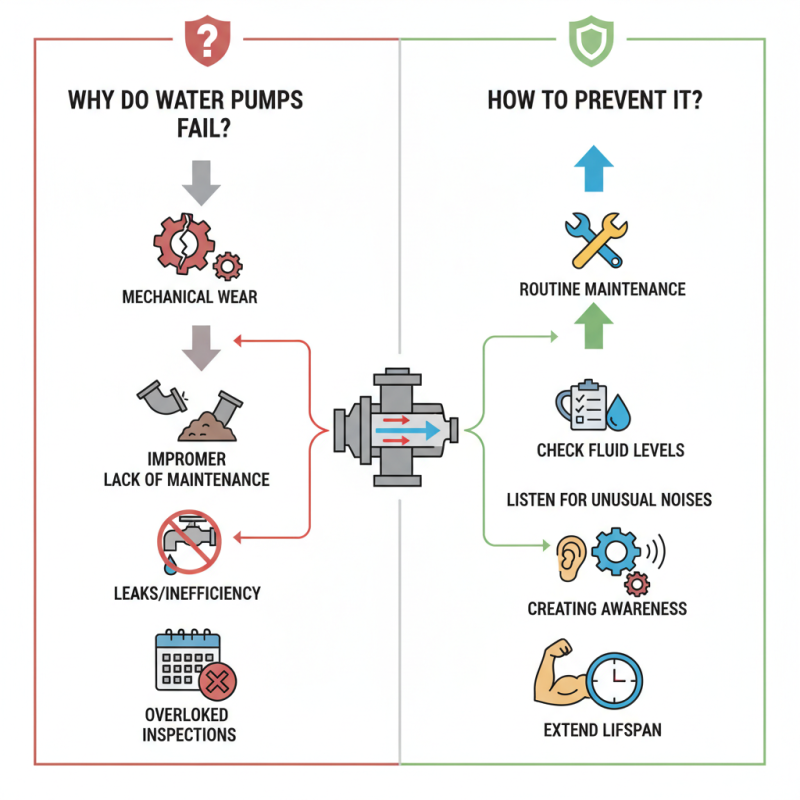
Water pumps are vital in various industries and everyday applications. They move water efficiently for irrigation, cooling systems, and municipal supplies. However, these essential devices can fail unexpectedly. A water pump failure can lead to significant disruptions and costly repairs. Understanding the reasons behind pump failures is crucial.

Common causes include mechanical wear, improper installation, and lack of maintenance. For instance, a worn-out seal can lead to leaks and pump inefficiency. Regular inspections are necessary to detect such issues early. However, many overlook this. They may mistakenly believe that the pump will operate indefinitely without care.

To prevent failures, establishing a routine maintenance schedule is key. This can include checking fluid levels, ensuring proper alignment, and listening for unusual noises. Ignoring these signs can lead to more severe problems. Thus, creating awareness about water pump care is essential. Emphasizing proactive measures can extend the lifespan of pumps. By addressing these concerns, we can prevent future headaches.
Why Do Water Pumps Fail and How to Prevent It?

Causes of Water Pump Failures: An Overview

Water pump failures can stem from various causes. One common issue is worn-out bearings. When they lose lubrication, they create friction and heat. This can lead to overheating and disastrous breakdowns. Another culprit is cavitation. This occurs when the pump doesn't receive enough liquid. It results in bubbles that collapse and create shock waves, damaging the pump's components.

Improper installation also plays a significant role in pump failures. If a pump is misaligned or mounted incorrectly, it can cause excessive wear. Regular maintenance can help mitigate these risks. Checking seals, tightening bolts, and monitoring vibrations are essential. Too often, these simple tasks are overlooked, leading to bigger problems.

Lastly, poor water quality can ruin a water pump. Sediments and debris can clog filters and impellers. This not only reduces efficiency but can also lead to corrosion. Users should consider implementing filtration systems. Protecting your pump is vital, yet many neglect this preventive measure. Investing time in understanding these failure mechanisms can save you from costly repairs.
Causes of Water Pump Failures

Common Signs of Water Pump Malfunction

Why Do Water Pumps Fail and How to Prevent It?

Water pumps are essential in various applications. They are vital for maintaining water flow in homes and industrial settings. However, they can fail due to several reasons. Recognizing the signs of a malfunction can save time and resources.

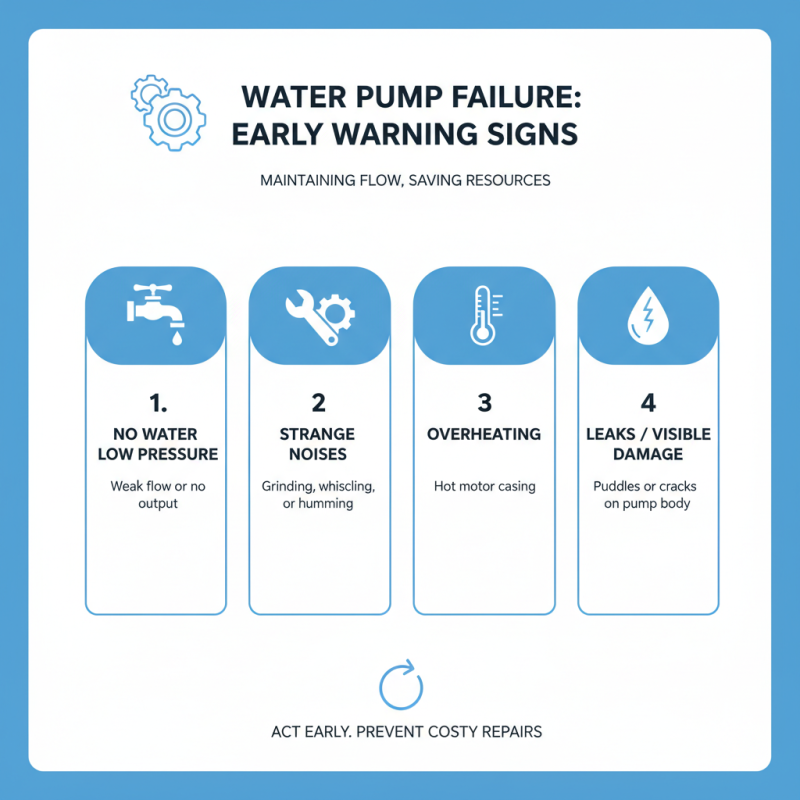
Common signs of water pump issues include unusual noises. If you hear grinding or rattling sounds, this may indicate internal damage. Another sign is fluctuating water pressure. Inconsistent flow can signal a pump that's struggling. Additionally, look for leaks around the pump. This can suggest worn-out seals or other component failures.

**Tips**: Regular maintenance is key. Check your pump for signs of wear every few months. Replace filters and clean any obstructions. Monitoring water quality is also essential. Poor-quality water can drastically reduce pump life.

Another critical indicator is overheating. If the pump feels excessively hot, it may be running dry or facing a mechanical issue. Keep an eye out for these signs. Ignoring them can lead to costly repairs. Accurate data reports from industry experts show that up to 25% of pumps fail due to lack of maintenance. Address issues early to prevent further complications.

Preventive Maintenance Techniques for Water Pumps

Water pumps are essential for various applications, but they can fail unexpectedly. Regular maintenance is crucial to keep them running efficiently. Preventive maintenance techniques can significantly extend the lifespan of water pumps.

One effective technique is to regularly inspect the pump components. Look for signs of wear and tear. Check seals and gaskets for leaks. These small issues can lead to bigger problems if not addressed.

Tips: Monitor the pump’s vibration and noise levels. Unusual sounds may indicate impending failure. Schedule routine lubrication of moving parts. This reduces friction and prevents wear. Keeping a maintenance log can also help track repair history.

Another vital aspect is ensuring the pump is not subject to extreme conditions. Excessive heat or debris can lead to failure. Clean filters regularly and provide adequate cooling if necessary. This not only helps in maintaining performance but also prevents unexpected breakdowns.

Tips: Create a checklist for maintenance tasks. This can improve consistency and ensure nothing is overlooked. Involve your team in training sessions for better awareness. Recognize that improper handling or neglect can lead to costly repairs.

Choosing the Right Water Pump for Your Needs

Why Do Water Pumps Fail and How to Prevent It?

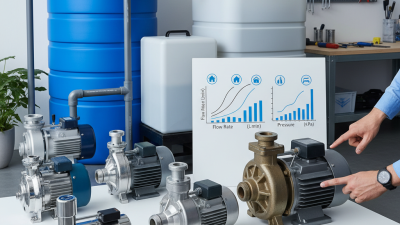
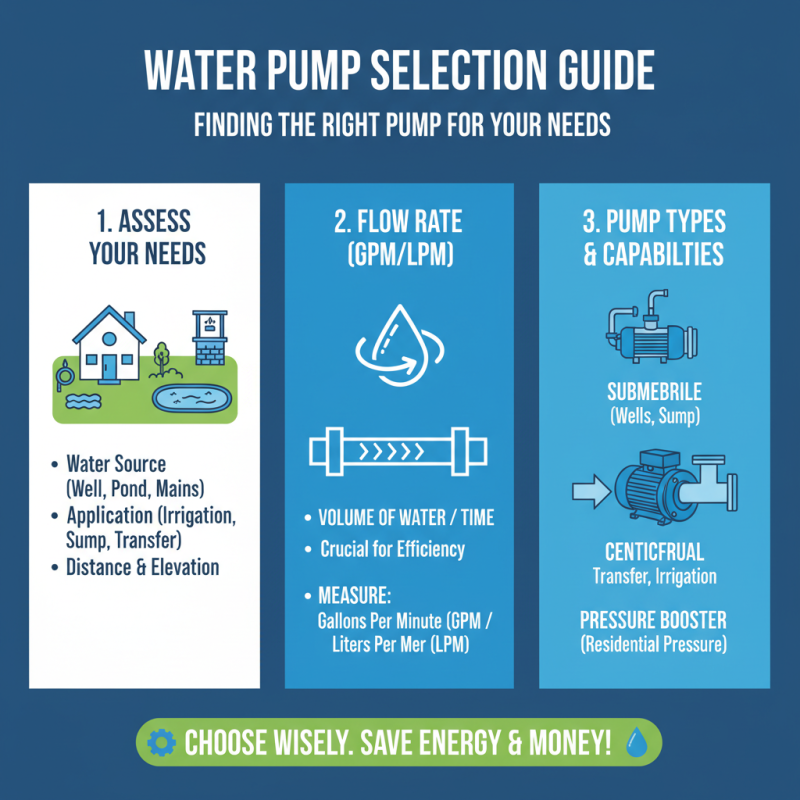
Choosing the right water pump is critical for efficient operation. Consider your specific needs before making a decision. Think about the volume of water you need to move. Flow rate is crucial. Pumps come in different sizes and capabilities.

One tip is to calculate the total dynamic head. This measures the height the pump must push water. Neglecting this can lead to pump failure. Another tip is to choose a pump based on the water's characteristics. Is it clean or dirty? Solid particles can damage some pumps.

Pump maintenance is key. Regular checks can prevent failures. Look for leaks or strange noises. These signs may indicate problems. If the pump vibrates excessively, it might need attention. Delaying repairs can lead to bigger issues. Make sure you select a pump that's easy to service. Avoid complex designs if possible. A pump that’s hard to maintain can result in extra costs later.

Best Practices for Regular Water Pump Inspections

Regular inspections are essential for maintaining water pumps. A pump’s failure often stems from neglect. Soil buildup and corrosion can accumulate over time. This can lead to costly repairs. Schedule inspections every three to six months to catch issues early.

During each inspection, check for leaks and unusual noises. Look for rust on metal components. Ensure that electrical connections are secure. A careful assessment can reveal problems before they escalate. Document findings to track any changes. If issues are noted, address them promptly rather than waiting.

Sometimes, even the best precautions fail. Equipment may still break down unexpectedly. This reality highlights the importance of having a backup plan. Investing in a repair service can save time and stress. Regular inspections and a solid response plan will help mitigate risk. Water pumps are critical systems, and proactive care is vital.