What is a Water Tank Pump and How Does It Work for Your Home
A water tank pump plays a crucial role in ensuring a consistent and reliable water supply for your home. Understanding its function and operation is essential for homeowners who wish to maintain proper water pressure and accessibility throughout their property. This introduction delves into the fundamentals of what a water tank pump is and how it can benefit your household.
At its core, a water tank pump is designed to draw water from a storage tank and distribute it effectively to various points in your home. Whether for daily chores, gardening, or other needs, having a water tank pump in place can significantly enhance the efficiency of your water usage. This system not only helps manage water pressure but also ensures that you have an adequate supply, especially during peak usage times.
As we explore the intricacies of water tank pumps, it becomes evident that their proper installation and maintenance can lead to improved performance and longevity. Understanding how these pumps work will empower homeowners to make informed decisions about their water systems, ultimately contributing to a more sustainable and efficient home.
Understanding Water Tank Pumps: Definitions and Significance
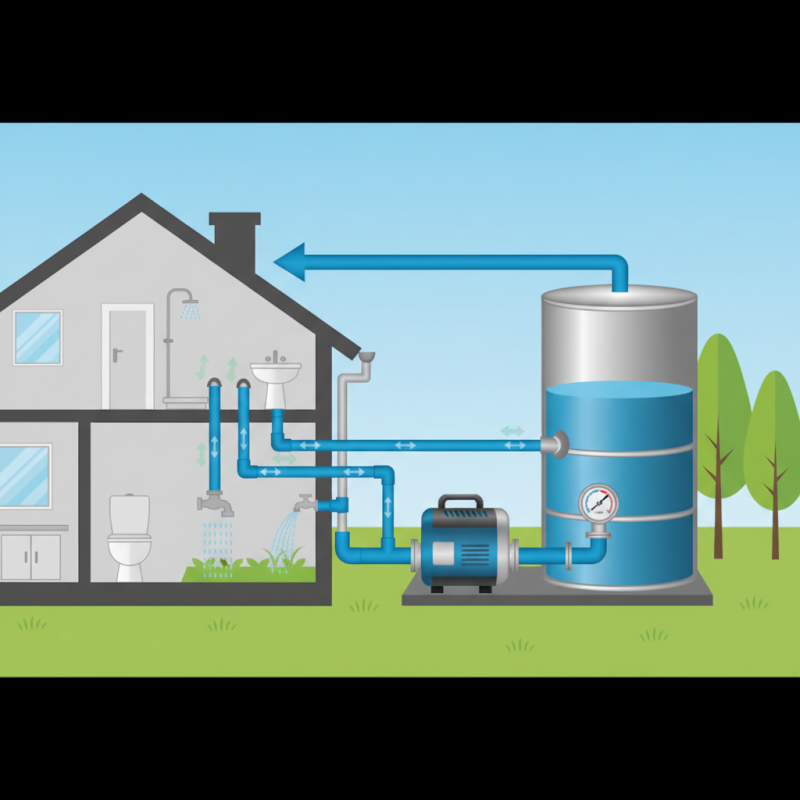
Water tank pumps play a crucial role in ensuring the efficient distribution of water throughout a home. These pumps are designed to move water from a storage tank to various outlets like taps, toilets, and irrigation systems. Their significance lies in their ability to maintain consistent water pressure, ensuring that water is readily available whenever it is needed. By serving as the vital connection between water storage and household usage, water tank pumps contribute to the convenience and functionality of modern living.
Understanding how water tank pumps operate is essential for homeowners looking to optimize their water supply system. Typically, these pumps utilize an electric motor to draw water from the tank and propel it through pipes. Depending on the design, they may use a single-stage or multi-stage process to achieve the desired pressure and flow rate.
Regular maintenance is vital for these systems since wear and tear can lead to inefficiencies, such as reduced pressure or leaks. By keeping a close watch on their performance and addressing any issues promptly, homeowners can ensure their water tank pumps remain effective and reliable for years to come.
Key Components of a Water Tank Pump and Their Functions
A water tank pump is an essential component in many households, ensuring a steady flow of water from storage tanks to various points of use. Understanding the key components of a water tank pump can enhance its functionality and longevity.
Primary components include the pump motor, impeller, pressure switch, and check valve. The pump motor provides the necessary force to draw water from the tank, converting electrical energy into mechanical energy.
According to the U.S. Department of Energy, choosing the right pump can improve water distribution efficiency by as much as 20%, which is significant for reducing energy costs.
The impeller, usually made from durable materials, is responsible for increasing the water's velocity as it moves through the pump. This component creates the needed pressure to push the water through plumbing systems. A report by the American Society of Plumbing Engineers indicates that proper impeller selection can greatly influence the pump's overall efficiency and reliability.
Additionally, the pressure switch, which automatically starts and stops the pump based on water demand, is crucial for maintaining consistent water pressure without manual intervention. Lastly, the check valve prevents backflow, ensuring that water doesn’t return to the tank, which is vital for maintaining a steady supply and protecting against contamination. Understanding these components helps homeowners make informed decisions regarding installation and maintenance, leading to improved water management systems.
How Water Tank Pumps Operate: Step-by-Step Process
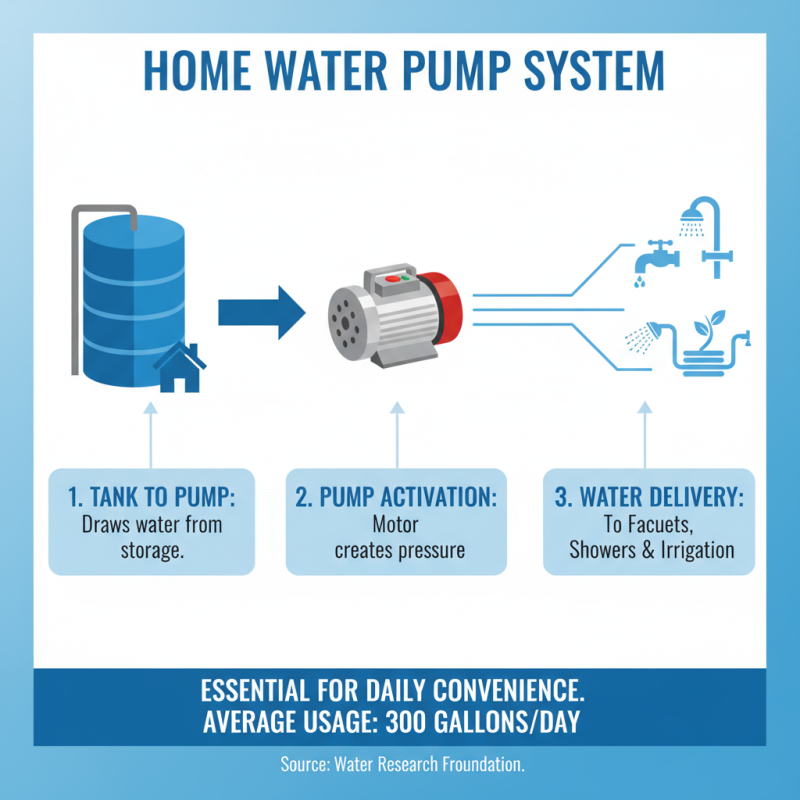
Water tank pumps are essential systems that facilitate the efficient movement of water from a storage tank to various parts of the home. The operational process begins with the pump drawing water from the tank, which is usually situated at a higher elevation or connected directly to the water supply. Once activated, the pump uses a motor to create pressure, pushing water through pipes and into faucets, showers, or irrigation systems. According to a report by the Water Research Foundation, residential water usage can average up to 300 gallons per day, making these pumps crucial for everyday convenience.
The next step involves the pressure switch, which monitors the water pressure in the system. When the water level in the tank drops below a set point, the pressure switch signals the pump to activate, ensuring a continuous supply of water. Conversely, when the desired pressure level is reached, the switch turns the pump off, preventing over-extraction and protecting the system. This cycle is essential for maintaining an adequate supply and efficiency within the home.
Tips: To optimize the performance of your water tank pump, regularly check the filter for clogs that can hinder water flow. Additionally, consider installing a pressure tank to stabilize water pressure fluctuations, which can reduce wear and tear on the pump and extend its lifespan.
Benefits of Installing a Water Tank Pump in Your Home
Installing a water tank pump in your home can bring numerous benefits that significantly enhance your water management system. According to industry reports, a well-designed water tank pump can increase efficiency and accessibility, ensuring that households receive a consistent water supply when needed. For instance, a study from the Water Management Alliance indicates that homes equipped with a reliable water tank pump system can reduce water wastage by up to 30%, as the pump regulates and maintains optimal water pressure throughout the property.
Furthermore, water tank pumps can be especially beneficial in areas prone to water shortages or pressure issues. The American Water Works Association highlights that over 15% of American households experience inadequate water pressure, leading to issues like inefficient irrigation and diminished hygiene standards. By installing a water tank pump, homeowners can mitigate these problems, ensuring that water flows steadily to all outlets, from washing machines to gardens. This not only promotes a sustainable approach to water use but also increases the overall comfort and functionality of the home.
Water Tank Pump Installation Benefits
Maintenance Tips for Ensuring Optimal Performance of Water Tank Pumps
Maintaining a water tank pump is crucial for its efficiency and longevity. Regular inspections are essential to identify any potential issues before they escalate. Start by checking for leaks in both the tank and the pump, as even minor leaks can lead to significant water loss and decreased pressure. Ensure that the inlet and outlet valves are functioning properly and that there are no blockages in the pipes. Clean filters regularly to prevent sediment buildup, which can impair water flow and reduce pumping efficiency.
Another important aspect of maintenance is the electrical system connected to the pump. Check the wiring for any signs of wear or corrosion, as faulty electrical connections can lead to pump failure. It’s also advisable to listen for unusual noises during operation, as these may indicate mechanical wear or a need for lubrication. Finally, test the pump's operation periodically by monitoring its performance under different conditions. Taking these proactive steps will help ensure your water tank pump operates smoothly, providing a reliable water supply to your home.