Top 10 12 Volt Sprayer Pumps for Sale

Choosing a 12 volt sprayer pump is less about finding the biggest number and more about matching the pump to the job. A unit used for garden beds may need different flow and pressure than one used for a larger tank or longer hose. Fit matters. So does the power source.

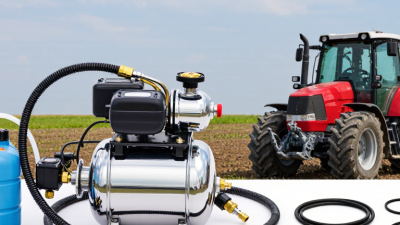
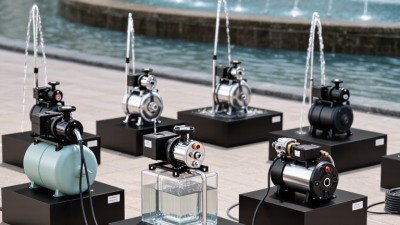
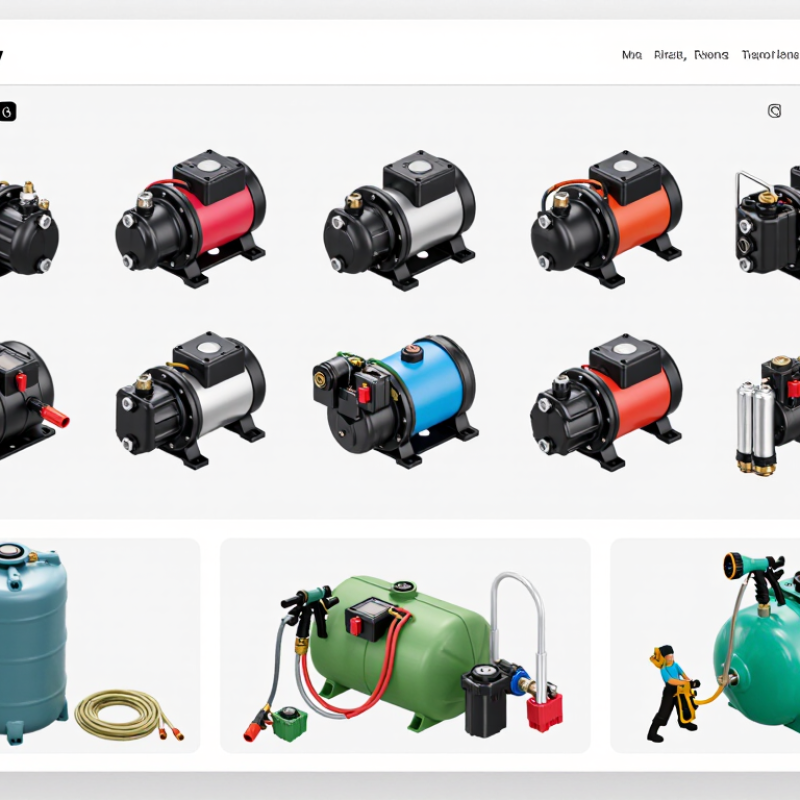
This guide to the top 10 12 volt sprayer pumps for sale will help compare practical details before you buy. Look at rated flow, pressure, voltage, inlet and outlet size, mounting options, and the type of liquid the manufacturer permits. Check whether the pump includes a pressure switch, strainer, or wiring, since those parts can affect setup and maintenance. A tidy product photo does not tell you everything.

Real use can be messier. Hose length, nozzle choice, battery condition, and routine cleaning may all change how a pump performs. Specifications are useful, but they are not a promise of identical results in every setup. That deserves a second look. The right choice should suit your tank, spraying pattern, and expected workload without being unnecessarily powerful. Compare the listed specifications with the manufacturer’s instructions, and confirm compatibility before ordering. A little careful checking now can prevent a frustrating installation later.
Top 10 12 Volt Sprayer Pumps for Sale

What Defines a 12-Volt Sprayer Pump: 12 VDC Diaphragm-Pump Basics

A 12-volt sprayer pump converts battery power into fluid movement. In a diaphragm design, a motor flexes a small diaphragm while inlet and outlet check valves guide liquid through the pump head. The result is a compact, self-priming pump suited to portable tanks, spot spraying, and small boom systems. Flow and pressure are linked: a pump’s maximum flow rating usually falls as operating pressure rises. Check the duty-cycle rating, too. Continuous operation is not guaranteed.

For nozzle selection, use measured output—not just the pump’s advertised gallons per minute. University of Nebraska–Lincoln Extension’s sprayer-calibration guidance gives the broadcast formula:

gallons per acre = 5,940 × nozzle flow in gallons per minute ÷ (travel speed in miles per hour × nozzle spacing in inches).

That relationship shows why small changes in speed or nozzle spacing affect application rate. A pressure gauge helps, but it does not confirm actual nozzle flow.

Tips: Install a strainer before the pump, use wiring sized for its current draw, and keep the battery connection dry. Flush the system after use. Check for leaks and a clogged filter before assuming the pump is failing. Small details matter. A pump may appear adequate on paper, yet deliver uneven spray when voltage drops or several nozzles run together. Measuring output is less convenient, but it catches that gap.

How Pump Ratings Work: GPM, PSI, Duty Cycle, and Shutoff Pressure

Top 10 12 Volt Sprayer Pumps for Sale

GPM describes flow, while PSI describes pressure; neither rating tells the whole story alone. A pump’s maximum flow is often measured at low pressure, so it may not deliver that flow through a spray wand. Check the flow-and-pressure curve, if available, and compare output at your intended nozzle pressure. Shutoff pressure is the point where a pressure switch stops the pump when outlets close. It is not a reliable estimate of continuous spraying pressure. Duty cycle indicates how long a pump can run before it needs a cooling break. The rating may vary by model, so check its stated conditions.

For useful unit comparisons, NIST Special Publication 811 lists 1 U.S. gallon as 3.785412 liters and 1 psi as 6.894757 kilopascals. These conversions clarify data sheets; they do not confirm real-world output. A simple bucket test can. Measure the discharge over a fixed time, with the hose and nozzle attached, then compare that result with the pump’s rated operating point. Small setup differences matter.

Tips: Keep the outlet open during testing, and watch for pressure pulsing or a hot motor. A pump that reaches its shutoff rating may still struggle to maintain steady spray flow. Check the duty-cycle limits before planning long applications.

How to Compare 10 Sprayer Pumps: Flow, Pressure, Materials, and Price

A 12-volt sprayer pump should be compared by its working flow, not just its advertised maximum. Check the flow rate at your intended pressure; a pump’s output can fall as pressure rises. For a small boom, steady delivery across several nozzles matters more than a high free-flow figure. The USDA National Agricultural Statistics Service counted about 1.9 million U.S. farms in its 2022 Census of Agriculture, spanning varied farm sizes and equipment needs. Tank capacity and daily workload therefore matter when choosing a pump. Small details count.

Pressure ratings need context. Match the pump’s operating range to the nozzle and application needs, then confirm the relief or bypass setup can handle the return flow. ASABE S572.3 provides a technical framework for classifying spray droplet quality; pump pressure alone does not determine droplet size. Nozzle design and liquid properties matter too. That distinction is easy to overlook.

Compare wetted materials against the intended spray liquid, especially seals, diaphragms, and housing. Check chemical-compatibility guidance rather than assuming that all plastics or elastomers behave alike. For price, compare included fittings, warranty terms, replacement-part availability, and rated duty cycle—not just the checkout total. A cheaper unit may cost more if its seals wear quickly. I would still verify the manufacturer’s test conditions; published flow figures are not always directly comparable.

How to Match Pump Output to Nozzle Demand and Tank Capacity

When comparing 12-volt sprayer pumps, match their usable flow to the combined demand of your nozzles. Check nozzle flow at your intended pressure, then add the flow rates together. A pump’s advertised maximum may be measured at low pressure, so it can mislead. Use the pump’s performance chart to confirm its flow at working pressure.

For example, four nozzles using 0.25 gallons per minute each need 1 gallon per minute total. Choose a pump that can maintain that flow at the required pressure, with some capacity in reserve. That matters. Longer hoses, filters, and low battery voltage can reduce delivery. Estimate spray time by dividing usable tank volume by total nozzle flow: a 15-gallon tank at 1 gallon per minute gives roughly 15 minutes of continuous spraying. Real run time may differ if you pause or use bypass flow.

Tips: Check nozzle charts before shopping, and leave room for a modest flow margin. Keep a margin. Match tank size to the area you plan to cover, not just the pump’s maximum output. A larger pump will not automatically improve coverage; excessive pressure can change droplet size and increase drift. Recheck flow with clean filters and a charged battery, because those small details are easy to overlook.

How to Install and Maintain a 12-Volt Pump: Fuses, Priming, and Winterizing

A reliable 12-volt sprayer setup starts with wiring that matches the pump’s requirements. Mount the pump close to the tank, on a firm surface, and keep it accessible for inspection. Fit a fuse in the positive lead, as close to the battery as practical. Choose its rating and wire size from the pump manual; never install a larger fuse just to stop nuisance trips. Disconnect power before wiring, check polarity, and protect connections from spray and abrasion. Secure the hoses, then inspect each clamp for leaks.

Prime the pump exactly as its instructions describe. Some models need liquid at the inlet before startup, and running dry can damage internal parts. Keep the inlet filter clean; a small blockage can cause pulsing or weak flow. Briefly test with clean water and watch for drips. It is easy to miss a loose fitting when everything looks tidy.

Before freezing weather, disconnect power and drain the tank, hoses, and pump. Follow the manual’s winterizing steps, since designs differ; do not assume every pump can tolerate the same fluid or procedure. Store components dry and protected from freezing. Check the fuse, wiring, and seals again before the next season. A few minutes now can prevent a frustrating repair later.