
2026 Best Chemical Transfer Pump for Global Buyers
Choosing the 2026 best chemical transfer pump is not a simple catalog exercise. Global buyers face different fluids, climates, standards, and operating habits. A pump moving thin solvent may fail quickly with abrasive slurry. Another may tolerate corrosion but struggle with high viscosity. The correct choice begins with measured conditions, not attractive specifications.
Dr. Heinz P. Bloch, a widely published machinery reliability expert, once emphasized, “Pumps are the heart of any process plant.” That observation remains practical. A chemical transfer pump must match the fluid’s chemical compatibility, temperature, viscosity, vapor pressure, and required flow. Seal materials matter. So do motor efficiency, maintenance access, leak detection, and spare-part availability. A stainless-steel body alone does not guarantee reliable service.
Small details often decide performance. Is the suction line short and properly sized? Can operators inspect the seal without stopping production for hours? Will the supplier provide tested performance curves and clear installation guidance? These questions deserve direct answers. They also expose a weakness in many buying decisions: buyers sometimes compare purchase prices before comparing lifecycle risks. That approach looks efficient, but it can become expensive.
A strong global selection process also checks regional certifications, electrical compatibility, documentation quality, and technical support. No single pump design suits every chemical duty. Centrifugal, diaphragm, magnetic-drive, and peristaltic models each have limits. Some recommendations may still require revision after field testing. That is not failure. It is responsible engineering. The best chemical transfer pump is the one that performs safely, predictably, and economically in its actual operating environment.
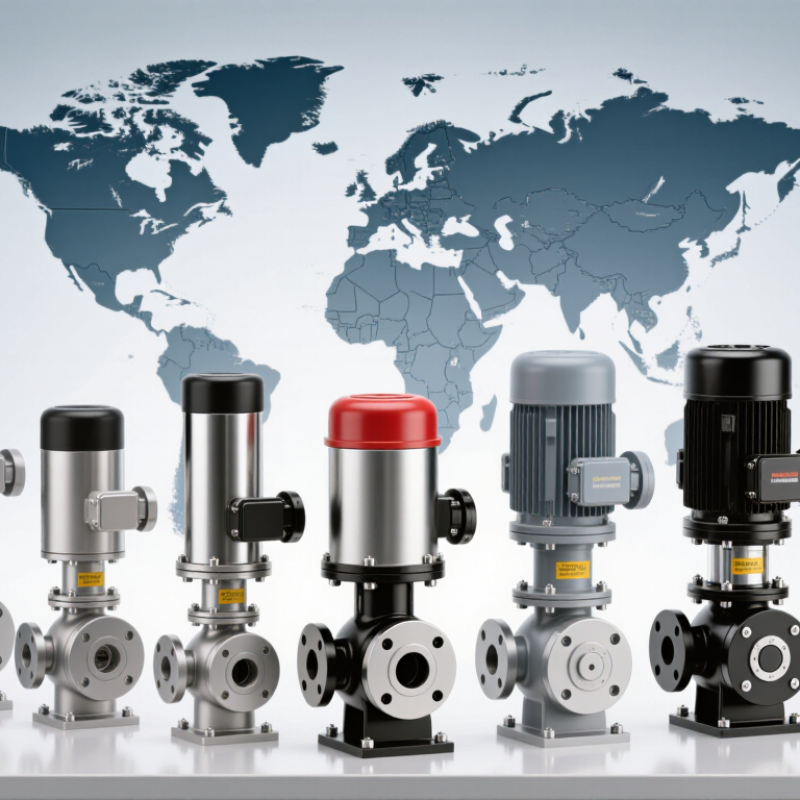
Chemical Transfer Pumps: Definition, Purpose, and Core Operating Principles
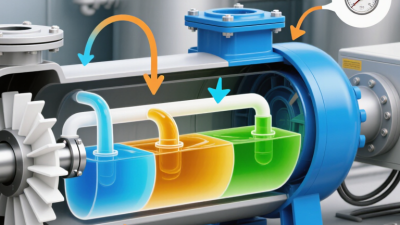
A chemical transfer pump is a mechanical device that moves liquid from one container, tank, or process line to another. Its purpose is controlled transfer, not simple water movement. The liquid may be thin like a solvent or thick like a resin. Each condition changes the pump’s workload.
In practice, pump selection starts with the liquid itself. Check concentration, temperature, viscosity, vapor pressure, and compatibility with wetted materials. A centrifugal pump uses a rotating impeller to create velocity and pressure. It suits steady flow and relatively low-viscosity liquids. A positive displacement pump traps measured volumes and moves them through each cycle. It often performs better with thicker liquids or precise dosing.
Pressure and flow must match the process. A pump that is too small may overheat, cavitate, or deliver unstable flow. A pump that is too large can waste energy and damage sensitive equipment. Suction piping deserves equal attention. Long pipes, sharp elbows, and blocked strainers can starve the pump.
Small details matter.
During operation, monitor unusual noise, vibration, leakage, and rising motor temperature. These signs can reveal air entry, seal wear, or incorrect operating conditions. I would not treat a catalog flow rate as a guarantee. Actual performance depends on installation, liquid properties, and maintenance quality. Safety interlocks, grounding, ventilation, and emergency shutdown controls should reflect the site’s risk assessment and applicable requirements. A reliable transfer system is designed around real conditions, not ideal laboratory data.
2026 Best Chemical Transfer Pump for Global Buyers - Chemical Transfer Pumps: Definition, Purpose, and Core Operating Principles
| Pump Type | Definition and Core Operating Principle | Typical Flow Range | Typical Discharge Pressure | Typical Temperature Range | Suitable Fluid Characteristics | Main Advantages | Key Limitations | Common Chemical-Transfer Applications |
|---|---|---|---|---|---|---|---|---|
| Magnetic-Drive Centrifugal | An impeller converts motor energy into fluid velocity and pressure. A magnetic coupling transmits torque through a containment shell without a conventional shaft seal. | Approximately 5–1,500 m³/h | Approximately 1–10 bar | Approximately −20 to 150°C, depending on construction | Low- to medium-viscosity liquids with low or no suspended solids; corrosive and hazardous fluids when materials are correctly selected. | Very low external leakage risk, clean operation, and reduced seal maintenance. | Can be damaged by dry running, cavitation, excessive solids, or operation outside the specified flow range. | Acids, alkalis, solvents, plating solutions, process chemicals, and water-treatment chemicals. |
| Mechanical-Seal Centrifugal | A rotating impeller increases fluid velocity, while a mechanical seal limits leakage around the rotating shaft. | Approximately 5–3,000 m³/h | Approximately 1–25 bar | Approximately −40 to 180°C, subject to seal and material selection | Clean, low- to medium-viscosity fluids where continuous flow and relatively stable operating conditions are required. | High flow capacity, good energy efficiency near the design point, and broad industrial availability. | Seal wear, leakage risk, and reduced performance with highly viscous, abrasive, or gas-containing liquids. | Bulk chemical circulation, cooling systems, wastewater, process water, and compatible liquid transfer. |
| Air-Operated Double-Diaphragm | Compressed air alternately moves two flexible diaphragms, creating suction and discharge strokes through check valves. | Approximately 0.1–60 m³/h | Up to approximately 8 bar | Approximately −40 to 120°C, depending on diaphragm and body materials | Corrosive, abrasive, shear-sensitive, viscous, or solids-containing liquids; intermittent flow is acceptable. | Self-priming, capable of dry running for limited periods, air-powered, and suitable for hazardous areas when properly configured. | Pulsating flow, compressed-air consumption, diaphragm wear, and potentially higher operating cost. | Drum unloading, chemical dosing, sludge transfer, filtration, spill recovery, and batch processing. |
| Peristaltic Hose or Tube Pump | Rollers or shoes compress a flexible hose or tube and move the fluid through progressive occlusion; the fluid contacts only the hose or tube. | Approximately 0.001–100 m³/h | Typically up to 15 bar; some designs operate higher | Approximately −20 to 100°C, depending on hose material | Highly viscous, abrasive, shear-sensitive, corrosive, or solids-laden fluids; suitable for accurate low-flow dosing. | Excellent fluid isolation, strong solids handling, reversible flow, and no mechanical seal in the wetted path. | Hose fatigue, pulsation, limited temperature capability, and periodic hose replacement. | Polymer dosing, mineral slurries, wastewater chemicals, pigments, emulsions, and laboratory or process dosing. |
| Progressive-Cavity Pump | A helical rotor turns inside an elastomeric stator, forming sealed cavities that progress from suction to discharge with relatively low pulsation. | Approximately 0.05–500 m³/h | Approximately 2–48 bar, depending on stages | Approximately −20 to 150°C, limited by elastomer and fluid compatibility | High-viscosity, non-Newtonian, abrasive, or solids-containing fluids requiring controlled flow. | Good metering capability, low pulsation, high suction lift, and stable handling of viscous fluids. | Sensitive to dry running, stator wear, and incorrect rotor-stator material selection. | Polymer solutions, sludge, resin, latex, concentrated chemicals, and high-viscosity process fluids. |
| Gear Pump | Meshing gears trap liquid between the gear teeth and casing, carrying it from the inlet to the outlet as the gears rotate. | Approximately 0.01–300 m³/h | Approximately 3–250 bar, depending on design | Approximately −40 to 250°C, subject to materials and lubrication | Clean, lubricating, low- to high-viscosity liquids with minimal suspended solids. | Accurate positive displacement, compact construction, and suitability for high-pressure or metering duties. | Poor tolerance for abrasive solids, potential shear, and possible damage from deadheading without relief protection. | Resins, oils, additives, solvents, viscous chemicals, and controlled process-feed applications. |
| Vertical Sump or Immersed Pump | The pump is installed vertically with the wetted end immersed in a tank or sump; an impeller or other pumping element transfers liquid upward. | Approximately 1–1,000 m³/h | Approximately 1–15 bar | Approximately −20 to 150°C, depending on tank, shaft, and wetted materials | Tank liquids, corrosive process fluids, and applications where suction piping should be minimized. | Reduced suction-lift problems, direct tank drainage, and practical handling of corrosive liquids with suitable materials. | Requires suitable tank access and structural support; shaft length, vibration, and fluid level must be carefully considered. | Pickling tanks, chemical storage vessels, plating systems, wastewater sumps, and process-drainage systems. |
Related Posts
-

Exploring Innovative Chemical Pump Alternatives for Industrial Applications
-

Exploring Innovative Alternatives to Chemical Pumps for Enhanced Efficiency and Reliability
-
How to Choose the Right Chemical Transfer Pump for Your Needs
-
How to Choose the Best Bleach Pump for Your Needs?
-
2026 Top Bleach Pump Buying Guide for Global Buyers
-
What Is a Chemical Pump and How Does It Work?