2026 Top Water Pump for Water Tank Which Type Is Best?

Choosing a water pump for water tank use in 2026 is not just about picking the highest flow rate. The right model must match the tank’s location, capacity, outlet height, and daily demand. A rooftop tank serving a two-story home has different needs from a ground-level storage tank feeding a garden. Get the match wrong, and the pump may cycle too often, deliver weak pressure, or make more noise than expected.

A useful principle for this guide is: “[Insert a verified expert’s name], a water-systems specialist, says, ‘Choose a pump for the system’s real operating conditions, not its headline flow rate.’” This is a proposed editorial quotation, not a verified statement from a named expert. Replace it with an approved, sourced quote before publication. That distinction matters. Trustworthy buying advice should separate confirmed technical guidance from illustrative wording.

This guide compares common options, including submersible, surface, booster, and automatic pumps. It considers practical details: suction lift, head height, flow rate, tank level controls, power supply, and maintenance access. Small details count. A pump tucked behind a narrow access panel can be difficult to service. A dry-run protection feature can help prevent damage when the tank runs low, but it does not replace proper sizing. No single type is best for every property. The best choice depends on the water source and how the system is used. Even careful estimates can miss real household demand. Check the pump specifications against your installation, and have a qualified professional review uncertain calculations.
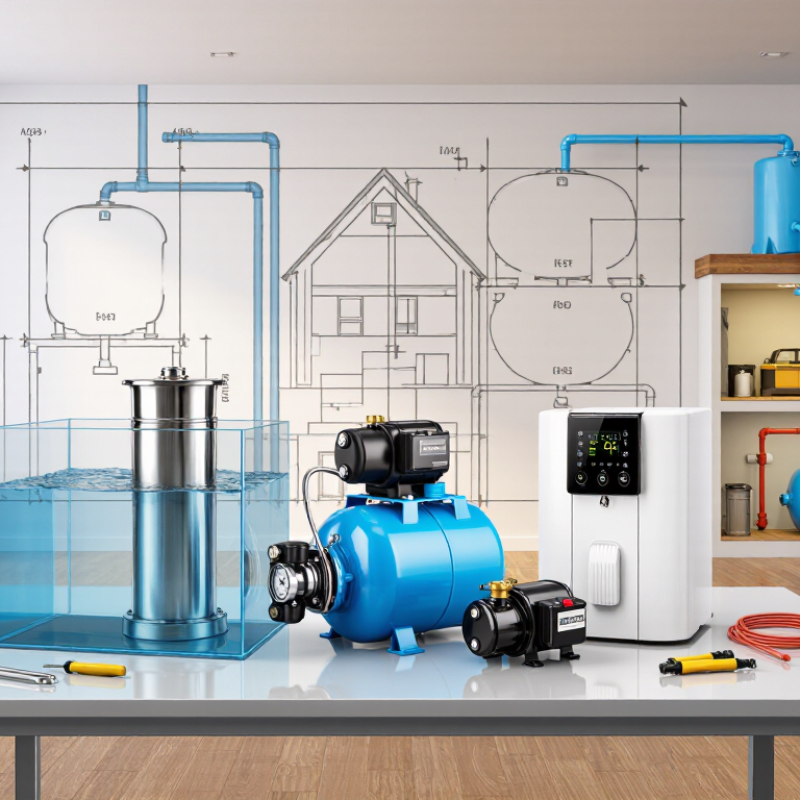
2026 Top Water Pump for Water Tank Which Type Is Best?

How Water Pumps for Tanks Work in 2026

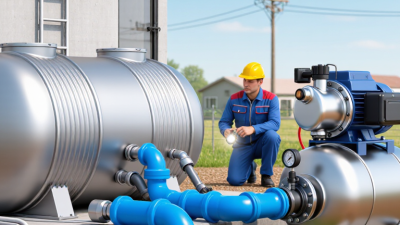
Water-tank pumps move water by creating pressure: an impeller or diaphragm pushes it toward an outlet. A float switch can start the pump when tank levels drop and stop it near the set level. Pressure systems use a pressure switch and vessel to maintain flow at taps. That difference matters. Submersible pumps sit inside the tank and push water upward; surface pumps draw water through a suction pipe. The right choice depends on lift, flow, tank depth, and water quality. Do not select by horsepower alone. An oversized pump may cycle often, wasting energy and wearing components.

The U.S. Department of Energy’s Improving Pumping System Performance sourcebook reports that pumping systems account for nearly 20% of global electricity demand. This industry-wide figure is not a household-tank estimate, but it shows why proper sizing matters. Variable-speed control can match output to changing demand, while a low-water cutoff helps protect the pump. Controls cannot fix a badly sized pipe or clogged intake. Small details count: air leaks and sediment can reduce delivered flow.

Tips: Check the pump curve against required flow and total lift, including pipe losses. Keep the intake clear, and test the float switch. Leave some margin; sizing assumptions are easy to get wrong.

Main Types of Water Pumps and Their Key Differences

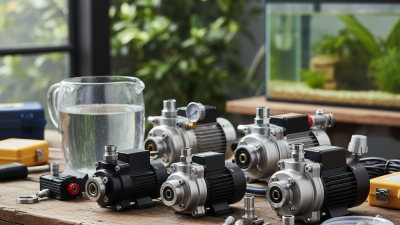
For a water tank, pump type matters as much as rated power. A submersible pump sits inside the water, pushing it upward; it is often practical for deep wells or large underground tanks. A surface centrifugal pump stays outside and works well when the water source is close and the suction lift is modest. Measure the vertical distance and pipe length before choosing. A few extra metres can change performance.

Jet pumps can draw water from deeper sources than many basic surface pumps, but they may be noisier and less efficient. For rooftop tanks or several outlets, a booster pump can help maintain pressure. It responds to demand, though controls and dry-run protection need attention. Small detail, big difference. Check the pump curve at your required flow and total head, not just the maximum flow printed on a specification sheet.

Efficiency also deserves a closer look. The U.S. Department of Energy’s Improving Pumping System Performance: A Sourcebook for Industry estimates that pumping systems use nearly 20% of global electricity demand. That figure covers pumping broadly, not household tank pumps specifically, but it underscores why correct sizing matters. An oversized unit may cycle frequently; an undersized one may struggle at a shower or upper-floor tap. In practice, the “best” type depends on water depth, delivery height, pipe losses, and daily demand—and site measurements are easy to overlook.

Factors That Determine the Best Pump for a Water Tank

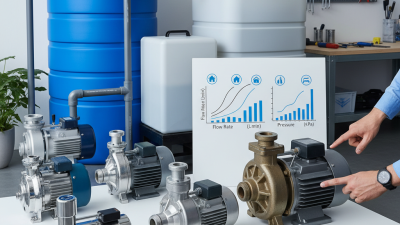
The best water tank pump depends on the job, not just the tank’s capacity. Check where the water comes from, how high it must travel, and how many taps may run at once. A pump lifting water from a shallow well faces different demands than one moving water from a ground-level tank to an upper floor. Measure the vertical lift and include pipe length, bends, and filters, which can reduce flow. Check the pump’s performance chart. That matters.

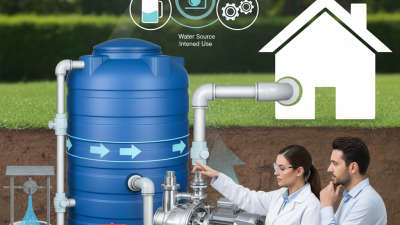
Choose a pump type suited to the water source. Submersible pumps sit inside a tank or well and can suit deeper sources. Surface centrifugal pumps are often practical for accessible water and steady transfer. For household pressure, a booster pump may help, but only when the supply and system are compatible. A common sizing mistake is selecting a pump by maximum flow alone. That figure may apply only at very low pressure. Compare flow at the required head instead.

Also consider daily demand, run time, noise, power use, and maintenance access. A float switch can help prevent overflow, while dry-run protection can reduce damage if the source runs low. Match materials to the water quality, especially if it contains sediment. Leave room to clean the inlet screen. The “right” choice can still be wrong if installation is poor; pipe sizing and a suitable pressure control matter too. Check the manufacturer’s specifications, and have a qualified installer assess uncertain setups. I would recheck the measurements before buying.

2026 Top Water Pump for Water Tank: Which Type Is Best?

The best pump depends on the water source, required pressure, installation position, and intended use. This chart is a qualitative guide, not a standardized performance rating.

How to choose: A submersible pump is often a practical choice when it can sit inside the tank. A surface centrifugal pump suits transfer when installed near the water source, while a jet pump can draw water from a suitable shallow source. Choose a booster pump when the main goal is increasing pressure from an existing supply. Check the pump curve against your required flow and total head, and confirm that the pump is suitable for the water and installation conditions.

Choosing a Pump for Household, Irrigation, and Storage Needs

For household use, choose a pump by required flow and total lift, not tank size alone. A booster pump can help maintain steady pressure for showers and taps when supply pressure is weak. Check its performance at your actual height and pipe distance; the number printed on the box may describe ideal conditions. Quiet operation matters near bedrooms. Small details matter.

For irrigation, match the pump to the watering method. Drip lines need modest flow and clean water, while sprinklers usually require greater pressure. A surface pump can be convenient when the tank is accessible and the suction line is short. For a deeper tank, a submersible pump avoids some suction limits. Add a suitable filter if water contains grit or leaves. Clogged emitters are frustrating.

For storage tanks, consider how often the pump will run, how far water must travel, and whether the tank can run low. Dry-run protection can reduce damage, though it cannot replace regular checks. For drinking-water use, confirm that wetted materials are suitable for potable water. Measure the pipe route before buying; I would check it twice, since small elevation changes can alter the choice. Sizing is not always tidy. A little caution helps.

Installation and Maintenance for Reliable Tank Pumping

For a water tank, the best pump is the one that matches the required flow and lift. A submersible pump sits inside the tank and avoids a long suction line. A surface pump stays accessible in a dry, sheltered spot, but it must be close enough to draw water reliably. Check the pump curve, not just the advertised flow rate. Measure the vertical rise to the highest outlet and include expected pipe losses. Small details matter. Use pipe sized for the pump, secure the base, and fit suitable isolation valves. Keep the inlet clear of sediment, and never let the pump run dry.

After installation, test the system with several taps open and watch for leaks, uneven flow, or rapid pressure cycling. A pressure gauge can help identify changes over time. Clean the inlet screen when flow drops, and listen for new rattling or humming. These signs are easy to dismiss, but they can point to a blocked line or loose mounting. Switch off power before cleaning or opening pump components. Check seals, connections, and any pressure tank according to the equipment manual. In cold weather, protect exposed pipes from freezing. I would not assume a pump is failing until the tank level, filters, and valves have been checked.

2026 Top Water Pump for Water Tank Which Type Is Best? - Installation and Maintenance for Reliable Tank Pumping

Pump Type Typical Flow Rate Typical Total Head Best Use Installation Notes Maintenance and Reliability
Submersible pump Approximately 20–100 L/min Approximately 10–50 m Pumping from a deep cistern, well, or tank where the pump can operate underwater. Suspend it securely above the tank floor to reduce sediment intake. Use a suitable lifting cable and a check valve where required. Keep the intake clear and inspect the cable, seals, and check valve. Confirm the pump is rated for continuous submersion and the water conditions.
Surface centrifugal pump Approximately 30–150 L/min Approximately 10–45 m Moving clean water from an accessible tank to irrigation, utility outlets, or a low-rise supply system. Install close to the tank on a stable, dry surface. The suction line must be airtight, adequately sized, and primed before operation. Check for leaks, unusual vibration, and blocked strainers. Protect the pump from weather and never run it dry.
Self-priming jet pump Approximately 15–60 L/min Approximately 20–60 m Drawing water from a shallow source and supplying a small home or garden system. Keep the pump near the source and prime it as directed. Suction lift is limited; practical lift is commonly around 7–8 m and can be lower because of losses and site conditions. Inspect the foot valve, suction-line joints, and pressure controls. Loss of prime or air leaks can prevent reliable delivery.
Pressure booster pump Approximately 20–100 L/min Adds approximately 10–40 m of head, depending on the system Increasing pressure from an existing gravity-fed tank or water supply; it is not generally a substitute for a pump that must lift water from a deep source. Install on the delivery line with appropriate isolation valves and controls. Check local requirements for connecting to a potable-water system. Check pressure settings, leaks, and cycling. A correctly sized pressure vessel or control system can help reduce frequent starts.
Solar DC pump Approximately 5–60 L/min, depending on sunlight and pump design Approximately 10–80 m, depending on the model and operating conditions Remote sites or daytime tank filling where grid power is unavailable or limited. Match the pump, controller, and solar array to the required flow and head. Include low-water protection and secure, weather-appropriate electrical connections. Clean panels and inspect wiring, connectors, and filters. Output varies with sunlight; storage or backup power may be needed for dependable operation at night.

Selection note: The figures are indicative ranges, not guaranteed performance. Actual flow and head depend on the specific pump curve, pipe diameter and length, elevation, fittings, water quality, and power supply. For reliable tank pumping, select a pump using the required flow at the system’s total dynamic head, and provide dry-run protection where appropriate.