2026 Best Electric Sprayer Pump Buying Guide
Choosing the right electric sprayer pump in 2026 requires more than comparing pressure ratings and battery sizes. Real performance depends on nozzle compatibility, liquid viscosity, tank design, and daily workload. A pump that works smoothly in a small greenhouse may struggle across larger fields or uneven terrain.
This guide examines the practical details buyers often overlook. It considers flow rate, operating pressure, battery endurance, charging time, noise, weight, and replacement parts. These factors become noticeable when a sprayer runs for several hours, especially near a dry tank or a blocked nozzle. Small details matter.
Field experience shows that product specifications do not always tell the complete story. Some pumps advertise impressive pressure but provide limited flow under real conditions. Others feel powerful but drain batteries quickly. There is no perfect choice. That is worth remembering.
Reliable buying decisions should combine manufacturer information, independent testing, warranty terms, and applicable equipment guidance. We will compare electric sprayer pump options for gardens, orchards, greenhouses, and routine property maintenance. The discussion will also address safe handling, proper storage, cleaning, and responsible use around people, pets, water sources, and sensitive plants.
Expect practical comparisons rather than exaggerated promises. A lightweight model may improve comfort but require more frequent charging. A stronger pump may offer better coverage but add bulk and maintenance. The best choice depends on your workload, spray pattern, budget, and willingness to maintain the equipment. Think carefully. Performance begins with the right match.
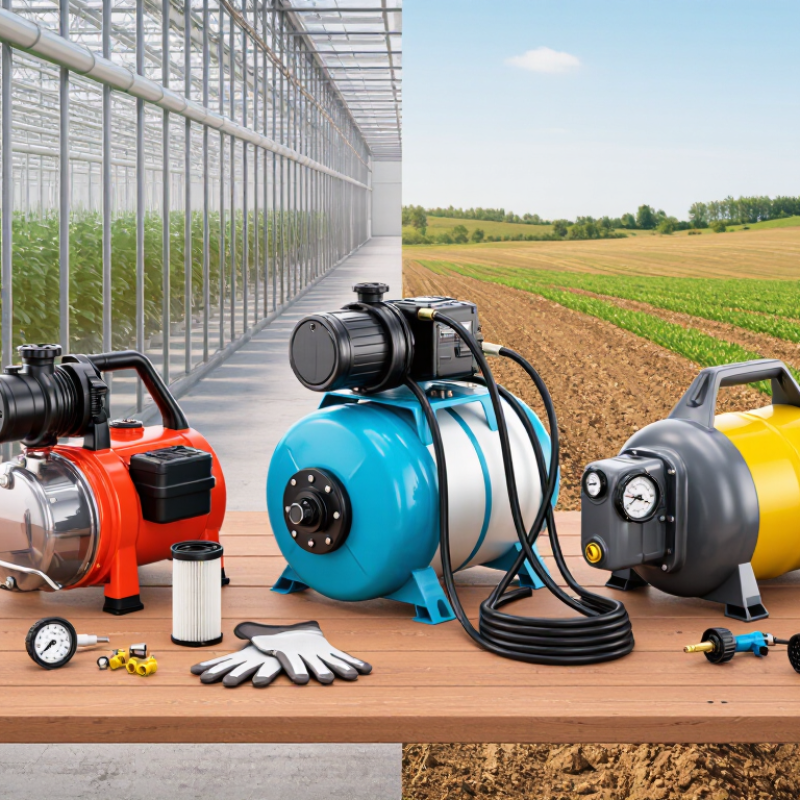
What Is an Electric Sprayer Pump and How Does It Work?
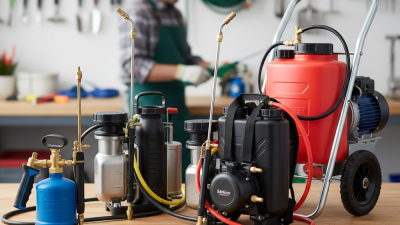
An electric sprayer pump converts electrical energy into controlled liquid pressure. A battery or vehicle supply powers a small DC motor. The motor drives a diaphragm, piston, or centrifugal mechanism. This movement pulls liquid from the tank and pushes it through a hose, filter, valve, and nozzle.
Diaphragm pumps suit many field applications because they handle moderate pressure and intermittent operation. A pressure switch may stop the motor when the trigger closes. The nozzle then shapes the liquid into droplets. Smaller droplets improve coverage, but wind can carry them away. The U.S. Environmental Protection Agency links droplet size, pressure, and drift behavior, so higher pressure is not automatically better. It can waste liquid.
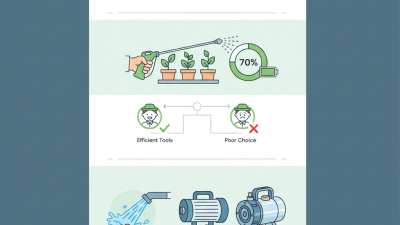
Water use deserves attention. FAO AQUASTAT reports that agriculture accounts for roughly 70% of global freshwater withdrawals. This figure explains why accurate spraying matters, even for small gardens. A useful pump should provide stable pressure, enough flow, and materials compatible with the intended liquid. Check the pump’s flow rate under pressure, not only its maximum number. That headline number can be optimistic.
A practical test uses a full tank, a clean filter, and a pressure gauge. Watch for pulsing, heat, leaks, or sudden pressure loss. I would also question overly neat specifications. Real hoses bend, batteries weaken, and nozzles wear. The pump rarely works in laboratory conditions.
How to Choose the Right Pump for Your Spraying Needs
2026 Best Electric Sprayer Pump Buying Guide
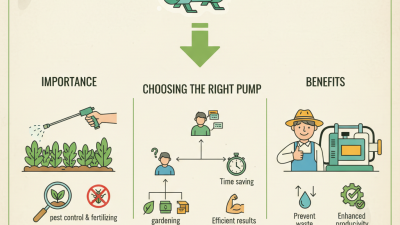
Choosing the right electric sprayer pump starts with your actual spraying task, not the highest advertised pressure. Measure the required flow rate and working pressure for your nozzle type, hose length, and spray height. A small garden sprayer may need steady, low-pressure output, while orchard equipment often requires stronger pressure and longer operating time. Check the pump’s rated flow under pressure, because free-flow numbers can be misleading.
Power supply also matters. Battery systems offer mobility, but their running time depends on voltage, tank size, temperature, and spray pressure. Wired pumps suit fixed equipment and repeated use near a reliable outlet. Match the pump materials to the liquid being sprayed. Corrosion-resistant components, sealed wiring, and replaceable diaphragms can improve service life. Inspect these parts before purchase.
I once selected a pump by pressure alone. It worked loudly, drained the battery quickly, and damaged a delicate nozzle. That mistake changed my testing routine. Now I check flow stability, noise, heat, and cleaning access. The perfect pump does not exist. Choose the model that fits your equipment and maintenance habits. Run a clear-water test before regular use, then measure the spray pattern at the nozzle. Uneven coverage may indicate pressure loss, blocked filters, or an unsuitable pump. A little testing prevents expensive guesswork.
2026 Best Electric Sprayer Pump Buying Guide
How to Choose the Right Pump for Your Spraying Needs
The chart shows typical planning ranges for electric sprayer pump flow rates across common applications.
Backpack and spot-spraying tasks usually require lower flow, while lawn, garden, orchard, and high-volume spraying need progressively higher output.
Always match the pump with the nozzle flow, required pressure, liquid type, hose length, and available battery or power supply.
Performance, Battery, Compatibility, and Safety Considerations
Choosing the best electric sprayer pump in 2026 requires more than checking pressure numbers. Match output to nozzle size, hose length, and liquid thickness. A pump delivering four liters per minute may struggle through a narrow filter. Check pressure under working load, not only the advertised maximum. During testing, watch for pulsing, motor heat, and pressure loss after ten minutes. Stable flow matters more than a dramatic peak figure. Vibration is easy to overlook. That mistake can loosen fittings over time.
Battery performance depends on voltage, capacity, charging control, and ambient temperature. Confirm voltage before connecting anything. A higher-voltage pack may damage the motor or controller. Capacity affects runtime, but real spraying time is usually shorter than laboratory claims. Cold mornings can reduce output. Look for sealed connectors, an accessible fuse, and a clear low-voltage cutoff. The pump should restart smoothly after brief pauses. Compatibility also includes threads, hose diameter, intake filters, and replacement seals. Measure these parts instead of trusting similar-looking photos.
Tips: Keep a clean water bucket nearby for a final flush. Inspect the intake screen after each use. Wear eye protection and gloves, even during quick tests. Never point the nozzle toward people or animals. Store the battery separately when required by the instructions. I once ignored a slightly cracked hose because the leak seemed minor. It later caused unstable pressure. Small defects deserve attention.
Maintenance Tips and Common Electric Sprayer Pump Problems
A reliable electric sprayer pump depends on routine care, not only purchase price. After each use, disconnect the power and flush the tank with clean water. Residue can harden inside the filter, hose, and nozzle. I also remove the inlet screen and rinse it under low water pressure. Small grit often causes pressure loss before the pump makes unusual noise.
Keep connections dry and inspect wires for cracked insulation. Check hose fittings for damp rings or loose clamps. A pump that cycles repeatedly may have an air leak, clogged nozzle, or worn pressure switch. Low output can also result from a restricted filter. Never assume the motor is failing first. Test the simplest parts before opening the pump housing.
Some maintenance advice is easy to overlook. Store the unit in a dry, shaded place, and protect it from freezing temperatures. Water left inside can expand and damage seals. If the pump vibrates, place it on a stable surface and examine the mounting screws. Replace damaged diaphragms or seals with compatible parts, following the service instructions. I sometimes inspect equipment too late, especially after a busy season. That mistake costs more time. Keep a basic log of cleaning, filter checks, and pressure changes. It makes gradual problems easier to notice.