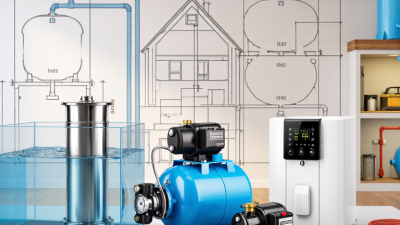
China Best Water Pump for Water Tank How to Choose?
Choosing a water pump for water tank service in China starts with the actual job, not a “best” label. A pump that fills a rooftop tank may not suit a deep well or a long pipe run. It depends on water source, lift height, required flow, and daily use. Small details matter. A narrow pipe or several bends can reduce flow at the tap. Check the pump’s rated head and flow against your system, rather than relying on one figure in a product listing. Also consider power supply, wetted materials, noise, and access for maintenance. Simple checks, but often missed.
This guide explains how to compare pump types and read the specifications that affect real performance. It also covers common features, such as dry-run protection and automatic controls, while noting that availability and configuration vary by model. For a home, steady pressure and quiet operation may matter most. For irrigation, flow demand and operating hours can take priority. Ask the supplier for a performance curve, warranty terms, and installation guidance; confirm that the figures match your intended setup. Product descriptions can sound precise, yet leave out important conditions. I would not choose from price alone. A measured selection is safer. The right pump is the one that meets your needs consistently, with practical maintenance and no unnecessary capacity.
Understanding Water Pump Requirements for Your Water Tank
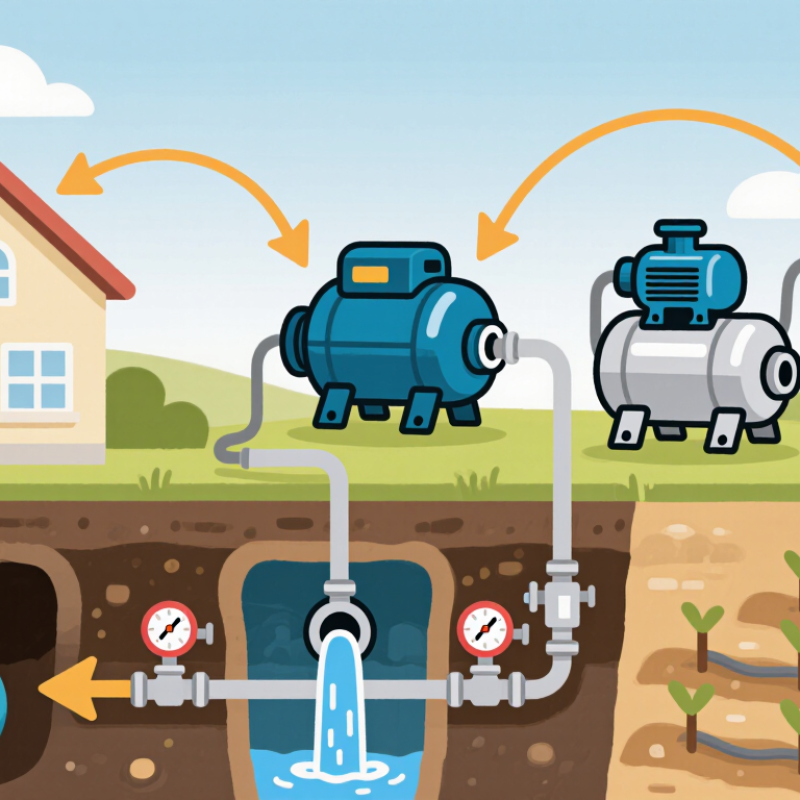
A suitable pump depends on how the tank is used, not just its capacity. For household supply, estimate the flow needed when taps or appliances run together. For filling, consider how quickly the tank must recover. Then measure the vertical distance from the water source to the tank outlet. Add likely losses from pipe length, bends, valves, and narrow fittings. These details affect the total head the pump must handle. Small details matter.
Tips: Check the pump’s performance curve at your required flow and head. Measure pipe diameter and water-level changes. Leave a safety margin, but avoid choosing a much larger pump than needed.
Also check the water source and installation conditions. A pump drawing from a shallow source may have different suction limits than one pushing water from a lower tank. Confirm the permitted suction lift, inlet size, and whether the unit needs protection against running dry. A pressure tank or controller may help reduce frequent starts in some systems. Too many starts can wear components sooner. Real installations are rarely perfect; an overlooked elbow or changing water level can alter performance. Recheck the layout before purchasing, and ask a qualified installer to verify uncertain measurements.
Comparing Pump Types for Different Tank Applications
Water tank applications need different pump designs. A submersible pump sits inside the water, making it useful for deep tanks or limited installation space. It can run quietly, but servicing it means lifting it out. A surface pump stays beside the tank and is easier to inspect. However, its suction lift is limited, and it may need priming. For household taps, a pressure booster can help maintain steadier flow. It does not replace a transfer pump when water must move between tanks.
Match the pump to the tank’s depth, outlet height, and expected flow. The total pumping head includes vertical lift and losses through pipes, bends, and valves. A narrow pipe or long route can reduce flow noticeably. One common mistake is choosing by motor power alone. An oversized pump may cycle too often, while an undersized one may struggle at peak demand. Add a float switch or low-water cutoff to reduce dry-running risk. Access matters. Maintenance is often overlooked.
Tips: Measure the vertical distance from the water level to the highest outlet, then account for pipe losses. Check the pump’s flow chart at that operating head, not only its maximum rating. Leave room to remove the pump or clean the inlet screen. A small mismatch can matter.
Evaluating Flow Rate, Head, Power, and Efficiency
Choosing a water-tank pump starts with the job, not the largest number on the carton. Estimate peak demand in litres per minute: one household outlet differs from several taps running together. Leave a modest margin, but avoid oversizing; excess pressure can waste energy and create noisy pipework. Small details matter.
Calculate total head, including vertical lift, pipe friction, bends, valves, and required pressure at the tank inlet. A pump’s maximum head usually occurs near zero flow. It is not a useful working-point estimate by itself. Compare the pump curve with your estimated flow and head; their intersection gives a more realistic operating point.
Check input power and efficiency at that point, not only the motor’s rated wattage. Two pumps may deliver similar flow, yet one can consume more electricity. A six-metre lift combined with long, narrow piping may require more head than the height suggests. Measure actual fill time and listen for frequent cycling after installation. Field conditions rarely match a tidy estimate. Recheck assumptions.
| China Best Water Pump for Water Tank: How to Choose? — Evaluating Flow Rate, Head, Power, and Efficiency | ||||||
|---|---|---|---|---|---|---|
| Typical Use | Target Flow Rate | Approx. Total Head | Example Electrical Input | Estimated Hydraulic Efficiency | Suitable Pump Type | Selection Notes |
| Supplying one bathroom or a small household | 25 L/min (1.5 m³/h) | 15 m | 150 W | 41% | Automatic booster pump | Check that the pump can maintain the required pressure at the expected flow, rather than relying only on its maximum flow rating. |
| Supplying several household outlets | 40 L/min (2.4 m³/h) | 15 m | 250 W | 39% | Multistage centrifugal pump | A multistage design can provide useful pressure for multiple outlets. Include pipe friction and elevation in the head estimate. |
| Transferring water to an elevated storage tank | 25 L/min (1.5 m³/h) | 25 m | 300 W | 34% | High-head centrifugal pump | Allow for the vertical lift from the water surface to the tank inlet, plus friction losses in the pipework and fittings. |
| Filling a tank quickly over a short, low-lift route | 60 L/min (3.6 m³/h) | 8 m | 250 W | 31% | End-suction or peripheral pump, selected for the duty point | Confirm the flow available at the required head. A pump’s advertised maximum flow is usually measured at very low head. |
| Moving water from a well or low-level source to a tank | 30 L/min (1.8 m³/h) | 30 m | 400 W | 37% | Submersible or deep-well pump, depending on source depth | Choose a pump designed for the source depth and water conditions. Verify the operating curve and required installation depth. |
Choosing a Reliable Water Pump Manufacturer in China
China Best Water Pump for Water Tank: How to Choose?
Choosing a reliable water pump manufacturer in China starts with evidence, not a polished catalogue. Ask for the pump’s performance curve, material specifications, and factory test records. These should match your tank’s required flow rate, delivery height, pipe length, and water quality. A pump that looks powerful on paper may perform poorly with long pipes or frequent starts. Details matter.
The U.S. Department of Energy’s Improving Pumping System Performance sourcebook reports that pumping systems account for about 27% of electricity used by industrial systems. That figure is not specific to household tank pumps, but it highlights why efficiency deserves attention. Ask manufacturers for measured flow, head, power consumption, and operating-point data. Request a test at the duty point you actually need. A vague “high efficiency” claim is not enough.
Check whether production records can trace each unit to its materials and test results. Confirm how the supplier handles failed tests, spare parts, and technical questions after delivery. An independent factory audit can help verify the process, though it cannot guarantee every shipment. I would also ask for a sample inspection plan. This step can feel slow, but skipping it may cost more later. One detail is easy to miss: the pump must suit the tank’s installation space and inlet conditions, not just its outlet size.
Checking Installation, Safety, and Maintenance Needs
Before choosing a water-tank pump, check the tank outlet, pipe diameter, lift height, and available power. A pump that cannot handle the vertical distance may deliver weak flow, even if its advertised capacity looks impressive. Measure the height from the water level to the highest tap, then allow for bends and pipe friction. Keep the pump on a firm, dry base, with ventilation and enough room to inspect connections. Small details matter. A leaking joint near an electrical connection deserves immediate attention, not a wait-and-see approach.
Safety and maintenance should shape the choice, too. Use a suitable, protected power supply and keep electrical parts away from splashes; have a qualified professional check wiring if conditions are uncertain. Fit a strainer where debris could enter, and confirm the pump has protection against running dry. The U.S. Department of Energy’s Improving Pumping System Performance report notes that pumping systems use nearly 20% of global electricity demand. That figure describes pumping systems broadly, not household tanks, but it underlines why correct sizing matters. Oversizing can waste energy and cause frequent cycling. Check for vibration, unusual noise, loose fittings, and reduced flow at regular intervals. I would not rely on sound alone; a quiet pump can still have a clogged inlet. Keep a simple log of inspections and repairs.
Related Posts
-
2026 Top Water Pump for Water Tank Which Type Is Best?
-
10 Best Water Tank Pumps Which One Is Right for You?
-
10 Water Tank Pump Buying Tips for Global Buyers?
-
How to Choose a Water Pump for a Water Tank?
-
Ultimate Guide to Choosing the Best Small Water Pump for Your Home Garden
-
10 Essential Tips for Choosing the Best Small Water Pump