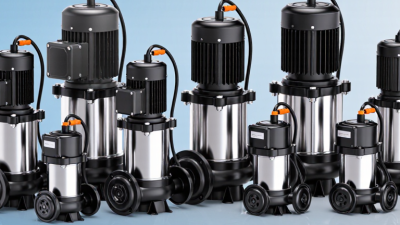
How to Choose a Small Submersible Pump in 2026?
Choosing a small submersible pump in 2026 starts with the job, not the product photo. A compact pump may fit neatly in a basement sump, rainwater tank, or shallow pond, yet still struggle with the wrong lift height or water conditions. Small details matter. The key specifications are flow rate, maximum head, outlet size, power supply, and the type of water being moved. Clear water and water containing grit place different demands on an impeller and housing.
Do not choose by the highest advertised flow alone. That figure may apply near the pump outlet, while real performance falls as water must travel higher or farther. Check the pump curve, not just the headline number. Measure the vertical distance from the water surface to the discharge point, then consider hose length and bends. For a sump, look for a suitable float switch and enough space for the pump to operate without obstruction. For a tank or pond, confirm that the pump’s materials and stated duty cycle fit the intended use.
It is easy to focus on price; I would be tempted, too. But a lower upfront cost may mean more frequent cleaning or a shorter service life. Compare manufacturer specifications, warranty terms, replacement parts, and maintenance instructions. A pump should match the actual water and workload, not an idealized test setup. In this guide, we’ll examine the practical checks that make the choice more reliable—and the limits worth questioning before you buy.
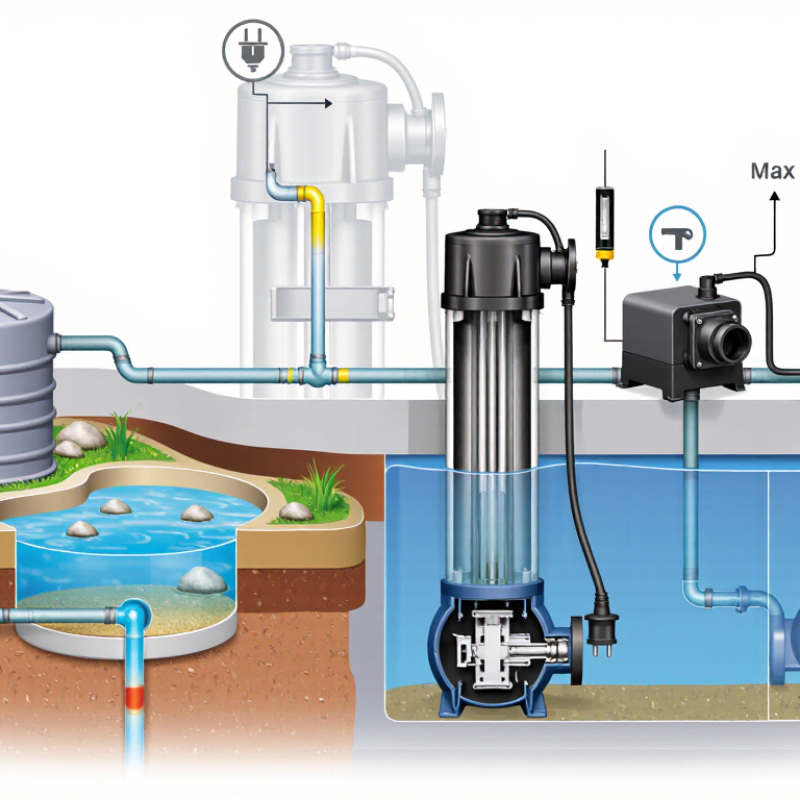
Understanding Small Submersible Pumps and Their Applications
How to Choose a Small Submersible Pump in 2026?
Understanding Small Submersible Pumps and Their Applications
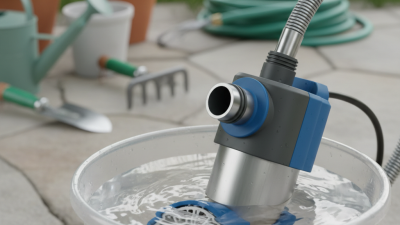
A small submersible pump works underwater, pushing water through an outlet hose or fixed pipe. Its sealed motor and compact body make it useful where space is limited. Common jobs include draining shallow sumps, emptying rain barrels, and removing water from small utility pits. Some models handle clean water only; others can pass small particles. Check the specified particle size before pumping muddy water. Small does not mean weak, but every pump has limits.
Choose a pump based on the water source and the distance it must lift water. Check its flow rate at your required lift height, not just the maximum figure on the package. A pump that moves plenty of water at ground level may slow considerably when pushing water upstairs. Measure the pit first. Then consider hose diameter, power supply, and whether automatic float control is useful. In real installations, awkward hose bends and debris can reduce performance. Estimates are not always perfect, so leave some margin.
Tips: Check the outlet. Keep the intake clear of leaves and grit. Use a residual-current safety device where appropriate, and follow the pump’s manual. Never run a pump dry unless its instructions allow it.
Assessing Water Conditions and Pumping Requirements
Before choosing a small submersible pump, inspect the water and measure the job. Clear groundwater behaves differently from a muddy sump containing grit, leaves, or fibers. Check the largest solids, water temperature, and any unusual acidity or salinity; these can affect clogging and material life. Then measure lift from the lowest expected water level to the outlet, plus the pipe run and bends. A pump’s advertised flow rate may fall sharply at that total head. Easy to overlook.
The U.S. Department of Energy’s Improving Pumping System Performance sourcebook reports that pumping systems use nearly 20% of global electricity demand and can account for 25–50% of energy use in some industrial facilities. That scale makes correct sizing more than a convenience: an oversized pump can cycle frequently, while an undersized one may run continuously without keeping up. Compare the pump curve with your required flow at the calculated head, not with its maximum-flow figure alone. Estimates can still miss seasonal water-level changes, so leave a sensible margin and verify conditions on site.
Tips: Measure the basin, note sediment after a few minutes, and record how quickly water returns. Choose a solids-handling rating that matches what you actually see. Keep the intake clear of the floor, but not so high that useful water remains. Recheck the figures before buying; a quick measurement beats a confident guess.
| Assessment factor | What to check | Practical selection guidance | Why it matters |
|---|---|---|---|
| Water clarity and solids | Identify whether the water is clean, contains fine sediment, or carries debris such as leaves, sand, or fibers. | For clear water, choose a clean-water pump. For particles, confirm the pump’s specified maximum particle size and screen or strainer requirements. Use a solids-handling model for debris-laden water. | Particles larger than the inlet or rated passage can clog the pump, damage the impeller, or reduce flow. |
| Water type and exposure | Check for salt, chemicals, wastewater, or other corrosive or hazardous contaminants. | Match wetted materials and seals to the fluid. Do not use a general-purpose drainage pump for chemicals or sewage unless the manufacturer specifically rates it for that service. | Fluid compatibility affects corrosion, seal life, safe operation, and whether the pump is suitable for the application. |
| Water temperature | Measure or estimate the water temperature, including seasonal or process-related peaks. | Keep the expected temperature within the pump’s stated operating range. Check the manual if water may be warm or temperature varies significantly. | Temperature limits differ by model and can affect motor cooling, seals, and electrical insulation. |
| Required flow rate | Estimate the volume to move and the time available. Flow is commonly stated in gallons per minute (GPM) or litres per minute (L/min). | Calculate the target rate as volume divided by available time, then check the pump curve at the required head. Do not select by the advertised maximum flow alone. | A pump’s delivered flow usually decreases as the total pumping head increases. |
| Total dynamic head | Add the vertical lift from the water surface to the outlet to the friction losses in the hose, pipe, bends, and fittings. | Compare the calculated total dynamic head with the pump curve and confirm that the curve provides the required flow at that head. | The maximum head is generally a shutoff figure; it does not mean the pump will deliver useful flow at that height. |
| Hose and discharge setup | Check hose diameter, total length, outlet height, fittings, and the required discharge direction. | Use a hose diameter compatible with the outlet and flow requirement. Avoid unnecessary length, sharp bends, and restrictive fittings. | Long or narrow discharge lines add friction loss and can noticeably reduce delivered flow. |
| Water level and residual depth | Determine the minimum water depth during operation and how much water may remain after pumping. | Check the pump’s minimum operating water level, inlet position, and stated residual-water level. Choose a low-level or flat-surface model only when its specifications meet the task. | Some pumps need a minimum water level for cooling and cannot run completely dry. |
| Run time and switching | Decide whether use is occasional, repeated, or continuous, and whether automatic start/stop is needed. | Select a model rated for the intended duty. For automatic operation, check float-switch clearance, switching range, and minimum pit dimensions. | Duty limits and switch geometry vary; a float that cannot move freely may fail to start or stop the pump. |
| Power and electrical safety | Verify the local supply voltage, frequency, plug type, cable length, and the location of the electrical outlet. | Use a pump rated for the available supply and for submersible operation. Follow local electrical rules; use appropriate ground-fault protection and keep connections dry. | Voltage mismatch and wet or damaged connections can cause equipment failure or electric shock. |
| Installation and maintenance | Consider access for cleaning, lifting, inspection, and storage, plus the available space in a sump or container. | Check pump dimensions, inlet clearance, lifting instructions, and service requirements. Lift by the handle or a suitable lifting line, not by the power cable. | Good access makes routine cleaning safer and helps prevent inlet blockage and cable damage. |
| Selection note: Confirm flow, head, temperature, solids capacity, duty rating, and electrical requirements in the specific pump’s datasheet and manual. Actual performance depends on the installation and operating conditions. | |||
Comparing Pump Types, Materials, and Key Specifications
A small submersible pump should match the water, not just the outlet size. Clean-water drainage pumps suit rainwater or shallow sump water with few particles. Dirty-water models pass larger debris, but their stated solids limit matters. Check the water. A pump rated for clear water can clog quickly when leaves or grit reach the intake.
Material choice affects service life. Thermoplastic housings are light and resist many forms of corrosion, though they may be less suited to rough handling. Stainless steel offers strength and corrosion resistance, while cast iron handles demanding use but adds weight. There is no perfect material for every site. Water chemistry, temperature, and abrasive sediment can change the choice, and these details are easy to overlook.
Compare flow rate and maximum head together. Flow usually falls as the pump lifts water higher, so read the performance curve rather than relying on the largest number on the box. Allow for hose length, bends, and the actual discharge height. Small details matter. Check the float switch range, power-cord length, intake clearance, and permitted duty cycle. A pump that fits a narrow pit but cannot restart reliably may create more trouble than its compact size suggests.
Selecting a Pump for Capacity, Head, and Power Needs
Choosing a small submersible pump starts with the water you need to move. Estimate the required flow in gallons or litres per minute, then check the pump’s performance chart. A stated maximum flow usually assumes very little lift. Real installations rarely match that figure. Measure the vertical distance from the water surface to the discharge point, then add losses from hose length, narrow fittings, and bends. That gives a more useful estimate of total head. A long, ribbed hose can reduce flow noticeably. I have found that this detail is easy to overlook.
Match the pump’s flow at your calculated head to the task, not just to its headline capacity. A basement puddle may need steady drainage, while a small tank may need faster transfer. Check whether the water contains grit or leaves; a fine intake screen can clog, while a larger passage may handle debris better. Also consider how often the pump will run. Continuous use puts different demands on the motor than occasional emptying. Look for power and duty-cycle ratings that fit the job, and use a properly rated electrical connection in wet areas. Keep some margin for changing conditions, but avoid oversizing without a reason. More power is not always better. The right choice may still need adjustment after a real flow test.
Checking Installation, Safety, and Maintenance Requirements
How to Choose a Small Submersible Pump in 2026?
Checking Installation, Safety, and Maintenance Requirements
Before buying, measure the pit, discharge route, and vertical lift from water level to outlet. A compact pump can still struggle against a long hose or several tight bends. Check the stated flow at your actual lift, not only the maximum figure on the box. Leave room around the intake so grit and leaves do not block it. Details matter.
Installation starts with a stable, level base and a discharge hose that cannot kink. Keep the float switch free to move; a basin wall or cable tie can stop it from starting. Never lift the pump by its power cord. Use an electrical supply with protective devices suitable for the location. If the outlet or wiring is uncertain, ask a qualified electrician. Disconnect power before touching the pump or water. Do not let it run dry unless the manual allows it.
Maintenance is easy to postpone. Every few weeks, or after heavy use, clear debris from the intake and check the hose, plug, and cable for wear. Test the float by raising it gently while the pump is safely positioned. Stop if you notice unusual noise, heat, or repeated cycling. Check it regularly. A small pump is not automatically an easy pump; access inside a cramped pit can be awkward. You may need to adjust the setup after seeing how water and debris behave in real conditions.
How to Choose a Small Submersible Pump in 2026? — Checking Installation, Safety, and Maintenance Requirements
Check electrical compatibility first. These are common nominal supply voltages, not a recommendation for a specific pump. Confirm that the pump’s nameplate matches the local supply, and have electrical connections installed according to local codes. Before buying, also verify the required immersion depth and discharge head, suitable ingress protection, and whether the unit needs a float switch. For maintenance, disconnect power before inspecting the cable, inlet, or float, and follow the manufacturer’s cleaning and inspection instructions.
Related Posts
-
China Top 10 Small Submersible Pump Manufacturers?
-
How to Choose a Small Submersible Pump in 2026?
-
How to Choose the Best Submersible Water Pump for Your Needs?
-
2026 Top Small Submersible Pump Reviews and Buying Guide?
-
2026 Best Small Water Pump for Efficient Water Solutions?
-
China Top Chemical Transfer Pump Suppliers How to Choose?